Awareness campaign to promote green energy by RSGL, CNG PNG facilities will be expanded
Jaipur, 27 January. An awareness campaign has been started by Rajasthan State Gas Limited, a joint venture of the state government, to promote green energy in the state. Giving this...

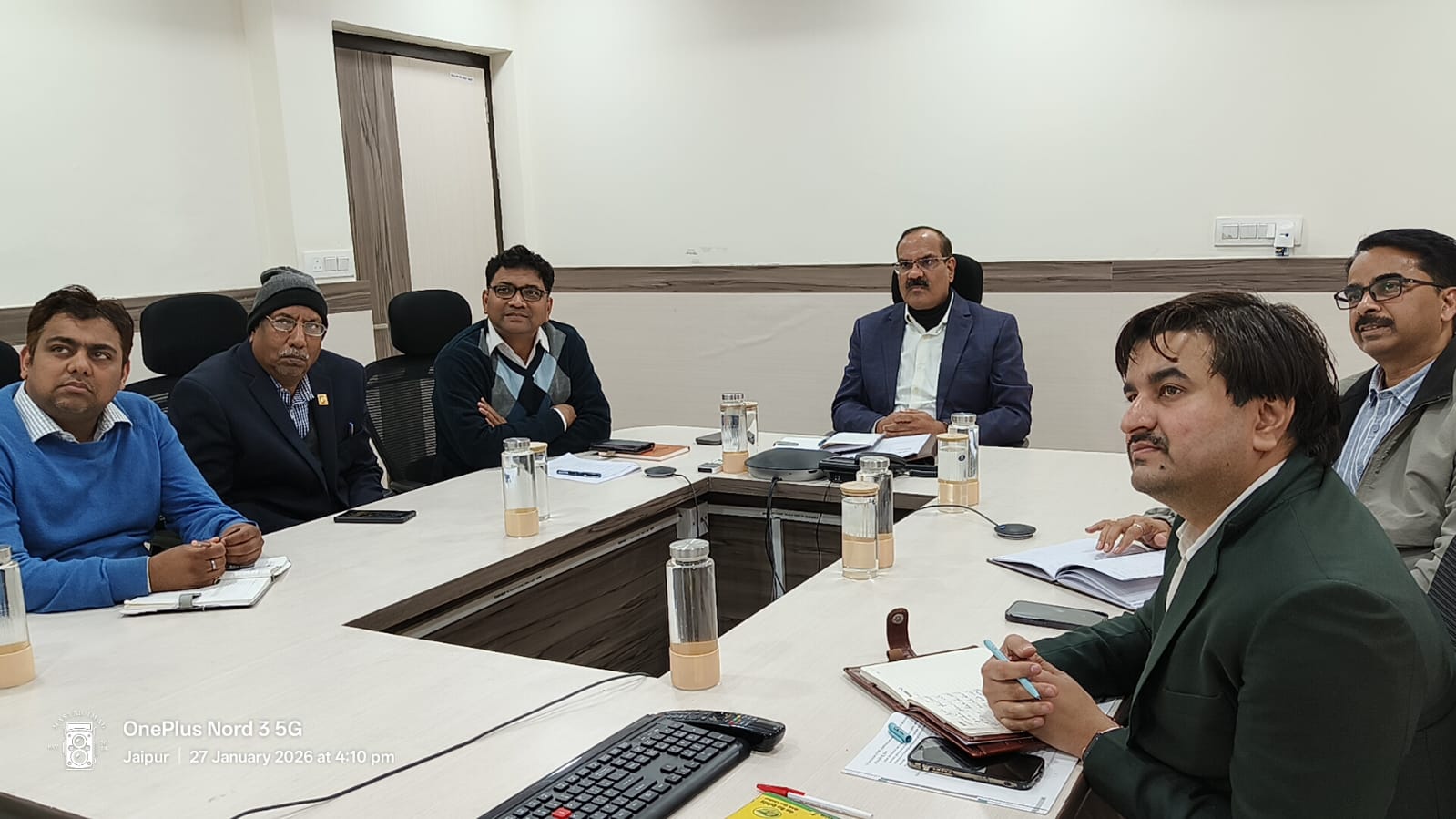
Jaipur, 27 January. An awareness campaign has been started by Rajasthan State Gas Limited, a joint venture of the state government, to promote green energy in the state. Giving this information, RSGL Managing Director Shri Ranveer Singh said that this campaign will be conducted till 31st March. In the meeting held on Hybrid Mode, Shri Singh directed the field officers to make coordinated efforts to connect more and more citizens with CNG-PNG services by explaining the usefulness of CNG-PNG to them.

Managing Director Shri Ranveer Singh said that the PNGRB of the Government of India is emphasizing on running awareness campaigns to create easy access to pollution-free, affordable green energy. RSGL has started a campaign to increase the use of CNG in Kukas and Neemrana and to promote the use of Compressed Natural Gas and Piped Natural Gas in Kota, Sheopur-Gwalior. He said that natural gas is cheap, safe and easily available through pipeline.

RSGL Deputy General Manager Mr. Vivek Srivastava and Mr. Vivek Ranjan said that common citizens are being made aware about the use of CNG PNG. Whereas in Kota, under the awareness campaign for PNG connections, camps are being organized one by one in the localities in the areas with developed infrastructure. Attractive incentives are also being given for this.

RSGL Chief Finance Officer Mr. Deeptanshu Pareek and Deputy Manager Mr. Gagandeep Rajoria said that the curiosities of the citizens are also being resolved during the awareness campaign.

DGM Shri CP Choudhary from Kota, Shri Anand Arya, Shiv Dixit from Sheopur Gwalior, Shri Atul Shukla from COOKS Neemrana and other officers participated in the hybrid meeting.

Financial Shock: Indian Rupee Slumps to Record Low of 91.91 Against US Dollar
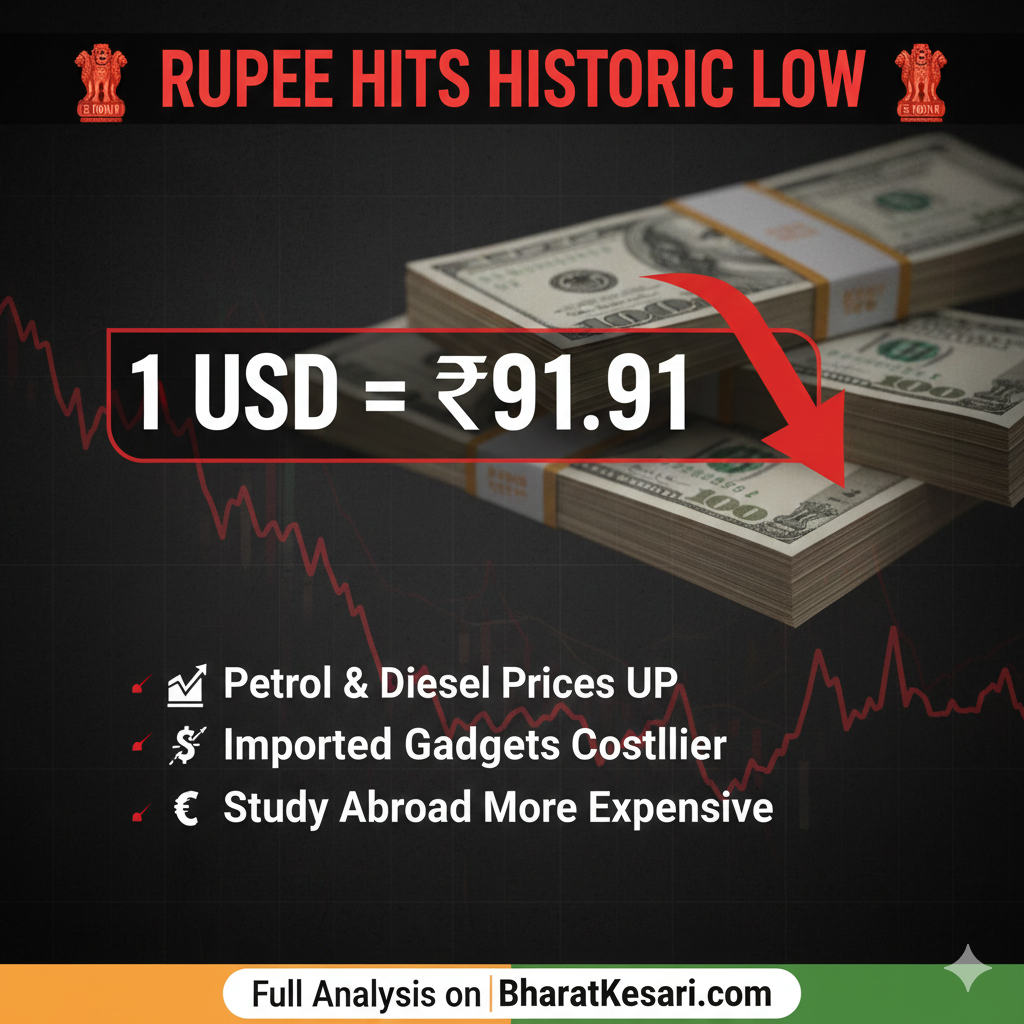
The Indian Rupee (INR) plummeted to a historic low of 91.91 against the US Dollar on Jan 23, 2026. Explore the causes, RBI's stance, and how this currency crash impacts...

Mumbai/New Delhi, January 23, 2026 — The Indian financial markets faced a turbulent session today as the Indian Rupee (INR) crashed to an unprecedented psychological low of 91.91 against the US Dollar (USD). This marks the weakest level in the history of the domestic currency, sparking concerns over imported inflation and a widening trade deficit.

Why the Rupee is Crumbling: 3 Major Factors

The sharp depreciation from the previous day’s close is attributed to a “perfect storm” of global and domestic factors:

  1. Aggressive FII Outflows: Foreign Institutional Investors (FIIs) have been on a selling spree in the Indian equity markets. In the last 24 hours alone, over ₹2,500 crore was pulled out of the Sensex and Nifty, leading to a massive shortage of Dollars in the local market.
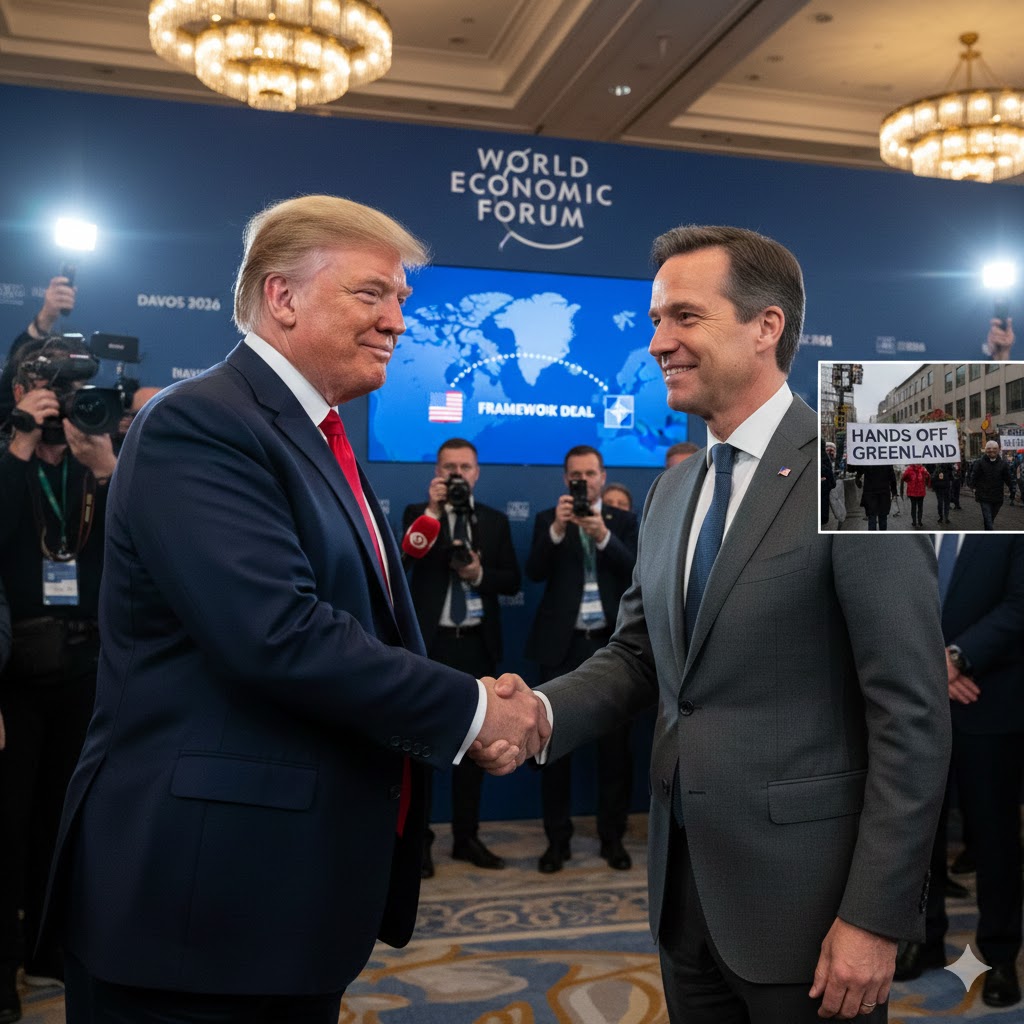
  2. The “Davos Uncertainty”: Despite President Trump’s announcement of a “Framework Deal” for Greenland at the World Economic Forum, global investors remain hedge-wary. The lingering threat of tariffs on European allies has strengthened the Dollar Index (DXY) as a safe-haven asset.
  3. Surging Oil Prices: With international Brent crude prices hovering near the $90 mark, India’s high demand for imported oil is draining its foreign exchange reserves, further devaluing the Rupee.

Impact on Your Pocket: What Costs More?

The devaluation of the currency isn’t just a number on a screen; it has real-world consequences for the common man:

  • Fuel Prices: Since India imports the bulk of its fuel, a weaker Rupee usually translates to higher prices at the petrol pump.
  • Tech & Electronics: Expect a 5-8% hike in the prices of smartphones, laptops, and home appliances as imported components become more expensive.
  • Foreign Education: Students planning for the Fall 2026 intake in the US or UK will face significantly higher tuition costs in Rupee terms.
CategoryImpact LevelReason
Petrol/DieselHighIncreased landed cost of crude oil
SmartphonesMediumHigher cost of imported chipsets
Edible OilHighIndia is a major importer of palm/sunflower oil
GoldHighDomestic gold prices rise when the Rupee falls

The Road Ahead: Will the RBI Intervene?

Market analysts at Bharat Kesari suggest that the Reserve Bank of India (RBI) may step in to sell Dollars via state-run banks to prevent the Rupee from breaching the 92.00 mark. However, with the Union Budget 2026 just days away (February 1st), the market expects high volatility to continue.

“The 92.00 level is a critical psychological barrier. If the Rupee closes below this for three consecutive sessions, we could see a slide toward 93.50 by the end of the quarter.” — Financial Analyst, Bharat Kesari.

Farmers are the Soul of India”: Union Minister Bhagirath Chaudhary at State-Level Kisan Program
Central Minister Bhagirath Chaudhary participates in the 5th installment transfer of Rajasthan's Mukhyamantri Kisan Samman Nidhi. Learn about bull-based farming grants and new tech for farmers. Focus Keywords: Rajasthan Farmer...

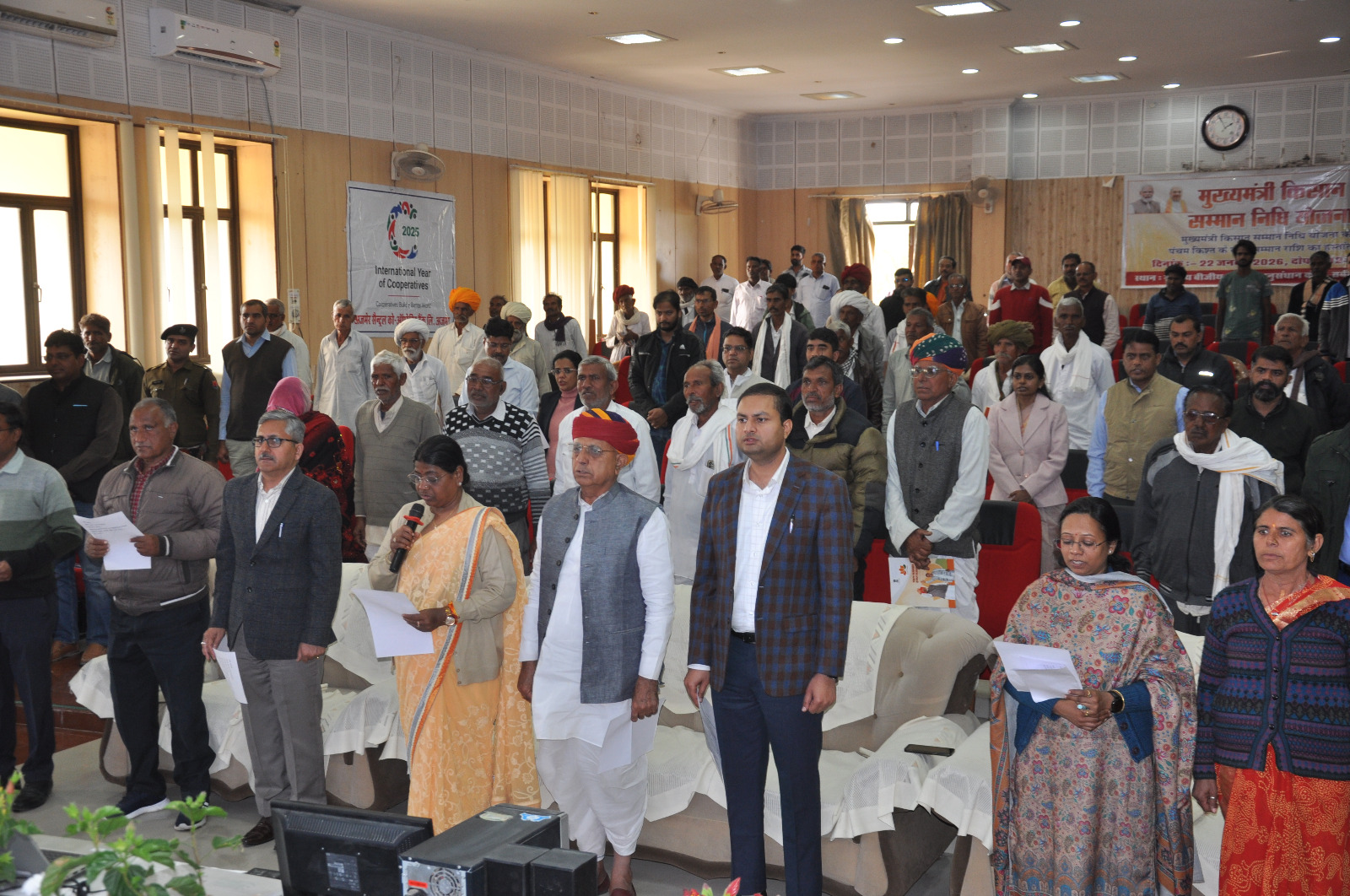
Ajmer/Jaipur, January 22, 2026 — In a major step toward rural empowerment, the Rajasthan government, under the leadership of Chief Minister Bhajan Lal Sharma, transferred the 5th installment of the Mukhyamantri Kisan Samman Nidhi (MKSN) Yojana today.

A state-level program and “Gram Utthan Shivir” were organized in Ajmer, where Union Minister of State for Agriculture and Farmers’ Welfare, Shri Bhagirath Chaudhary, and Ajmer South MLA, Smt. Anita Bhadel, highlighted the government’s commitment to the “Annadata” (farmers).

Key Highlights of the Event

1. Financial Boost for Rajasthan Farmers

Shri Bhagirath Chaudhary praised CM Bhajan Lal Sharma’s decision to increase the state’s contribution to the Kisan Samman Nidhi by ₹3,000, providing vital economic support. He noted that through the Direct Benefit Transfer (DBT) system, 100% of the funds now reach farmers’ bank accounts without any leakage or middlemen.

2. Promoting Traditional Farming: ₹30,000 Grant

In a unique move to preserve traditional agricultural practices and indigenous cattle, the state government is providing a ₹30,000 grant per farmer for bull-based farming.

  • Current Impact: Today, ₹6 crore was transferred directly to the accounts of 2,000 farmers under this scheme.
  • Goal: This initiative aims at cow conservation while promoting sustainable, low-cost traditional agriculture.

3. Modernizing the Fields

The Minister emphasized that while traditional methods are being preserved, the government is simultaneously pushing for modernization through:

  • Drone Technology for efficient spraying.
  • Nano Urea to reduce chemical dependency.
  • Soil Health Cards for scientific crop selection.
  • Increased MSP: For the first time, Minimum Support Prices are being increased before every Kharif and Rabi season.

“The farmer performs a divine task by feeding our vast population. Under PM Modi’s leadership, farmers have gained respect and economic stability, and Rajasthan is now leading the way in doubling that impact.” — Shri Bhagirath Chaudhary, Union Minister of State


Collective Patriotism: 150 Years of Vande Mataram

Marking the 150th anniversary of Vande Mataram, the event concluded with a collective singing of the national song by all attendees, including farmers, local leaders, and officials.

What this means for BharatKesari.com Readers:

The double-engine government is focusing on a “Hybrid Model” for agriculture—combining the wisdom of traditional bull-based farming with the efficiency of modern drones and DBT. If you are a farmer in Rajasthan, ensure your Jan Aadhaar and Soil Health Cards are updated to avail these benefits.

Union Home Minister Amit Shah Honors Balasaheb Thackeray on His Birth Anniversary
Union Home Minister Amit Shah pays respectful tributes to Balasaheb Thackeray on his birth anniversary, hailing him as a symbol of self-respect and national pride.

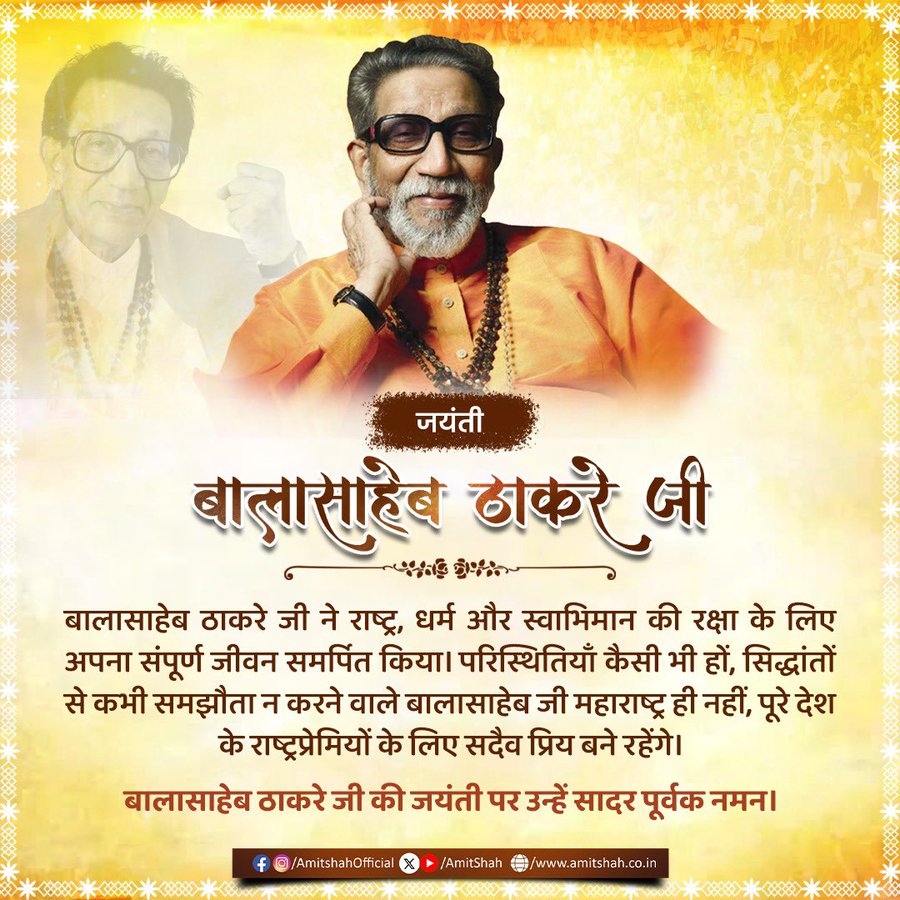
New Delhi, January 23, 2026: Union Home Minister and Minister of Cooperation, Shri Amit Shah, today paid a heartfelt tribute to the founder of the Shiv Sena, Balasaheb Thackeray, on the occasion of his birth anniversary.

In a statement shared via the X platform (formerly Twitter), Shah emphasized the late leader’s unwavering commitment to the values of nationalism and “Asmita” (self-respect).

“A Life Dedicated to Nation and Religion”

Amit Shah highlighted that Balasaheb Thackeray’s entire life was a testament to his dedication to protecting the nation, religion, and the self-respect of the common man. He noted that the “Hindu Hriday Samrat” remained a fierce protector of his ideology until his last breath.

“Balasaheb never compromised on his principles in any situation. He will always be loved by patriots not only in Maharashtra but across the entire country,” the Home Minister stated.

Legacy Beyond Maharashtra

The tribute underscores the national stature Balasaheb Thackeray achieved during his political career. While he was the quintessential voice of Maharashtra, his influence on the Hindutva discourse and national politics remains a defining chapter in Indian history.

Shah’s message resonates with millions of followers who view Thackeray as a symbol of courage and uncompromising leadership.

A Significant Day for India

January 23rd marks a double celebration for the nation. Along with the birth anniversary of Balasaheb Thackeray, the country also celebrates Parakram Diwas, the birth anniversary of Netaji Subhas Chandra Bose. The simultaneous remembrance of these two iconic figures makes the day a focal point for nationalistic pride and reflection on India’s journey toward self-reliance and identity.

Global Tensions Ease as Trump Announces “Framework Deal” for Greenland at Davos 2026
While the immediate threat of a trade war has faded, the "Greenland Question" is far from settled. With Vice President JD Vance and Secretary of State Marco Rubio leading upcoming...

The geopolitical storm centered on the world’s largest island has taken a dramatic turn. After weeks of escalating threats and a looming trade war, U.S. President Donald Trump announced on January 22, 2026, that a “framework of a future deal” has been reached regarding Greenland and the broader Arctic region.

The announcement came following a high-stakes meeting with NATO Secretary-General Mark Rutte during the World Economic Forum (WEF) in Davos, Switzerland.

The “Greenland Crisis” of 2026: A Quick Timeline

  • January 9: President Trump states the U.S. will “do something on Greenland whether they like it or not,” suggesting a “hard way” if a deal isn’t reached.
  • January 17: The U.S. threatens a 10% tariff (rising to 25% by June) on eight European nations—including Denmark, the UK, and Germany—unless they agree to the sale of Greenland.
  • January 20: “Hands off Greenland” protests erupt in Nuuk and Copenhagen.
  • January 21-22: In Davos, Trump rules out military force and reaches a diplomatic “concept of a deal” with NATO leadership.

What is the “Framework Deal”?

While specifics remain thin, the new framework has successfully averted an immediate economic catastrophe. Key highlights include:

  • Tariff Withdrawal: Trump has suspended the proposed 10% tariffs on European allies that were set to begin on February 1.
  • Enhanced Arctic Security: NATO will reportedly ramp up its security presence in the Arctic, integrating Greenland into the “Golden Dome” missile defense shield.
  • Mineral Cooperation: The deal emphasizes joint development of Greenland’s vast rare earth mineral reserves, aimed at reducing global reliance on China.

Why Does the U.S. Want Greenland?

The interest is driven by two main factors: Security and Science. Geologically, recent studies confirm that Greenland sits firmly on the North American tectonic plate, a point Trump supporters have used to argue its “natural” belonging to the U.S.

Furthermore, as Arctic ice melts due to climate change, new shipping routes are opening, and previously inaccessible minerals—essential for electric vehicles and defense tech—are becoming reachable.

The Response from Denmark and Greenland

Despite Trump’s optimistic “concept of a deal,” Greenlandic Premier Jens-Frederik Nielsen and Danish Prime Minister Mette Frederiksen have been firm: “Greenland is not for sale.” Local leaders clarify that any “deal” refers to existing 1951 defense treaties and mineral cooperation, not a transfer of sovereignty. The residents of Nuuk remain anxious, with many viewing the U.S. pressure as a form of “modern-day colonialism.”

Effective Communication Is the Key to Successful Implementation of Government Schemes: Raj. Chief Sec. V. Srinivas
Information presented with emotional appeal and simple language is more impactful — Secretary, Ministry of Information & Broadcasting, Government of India

Jaipur, January 22, 2026:
Chief Secretary of Rajasthan, Shri V. Srinivas, emphasised that systematic, timely and modern communication is the cornerstone for effective implementation and monitoring of government schemes and welfare programmes. He said that in the absence of strong communication, even well-designed policies fail to reach their intended beneficiaries.

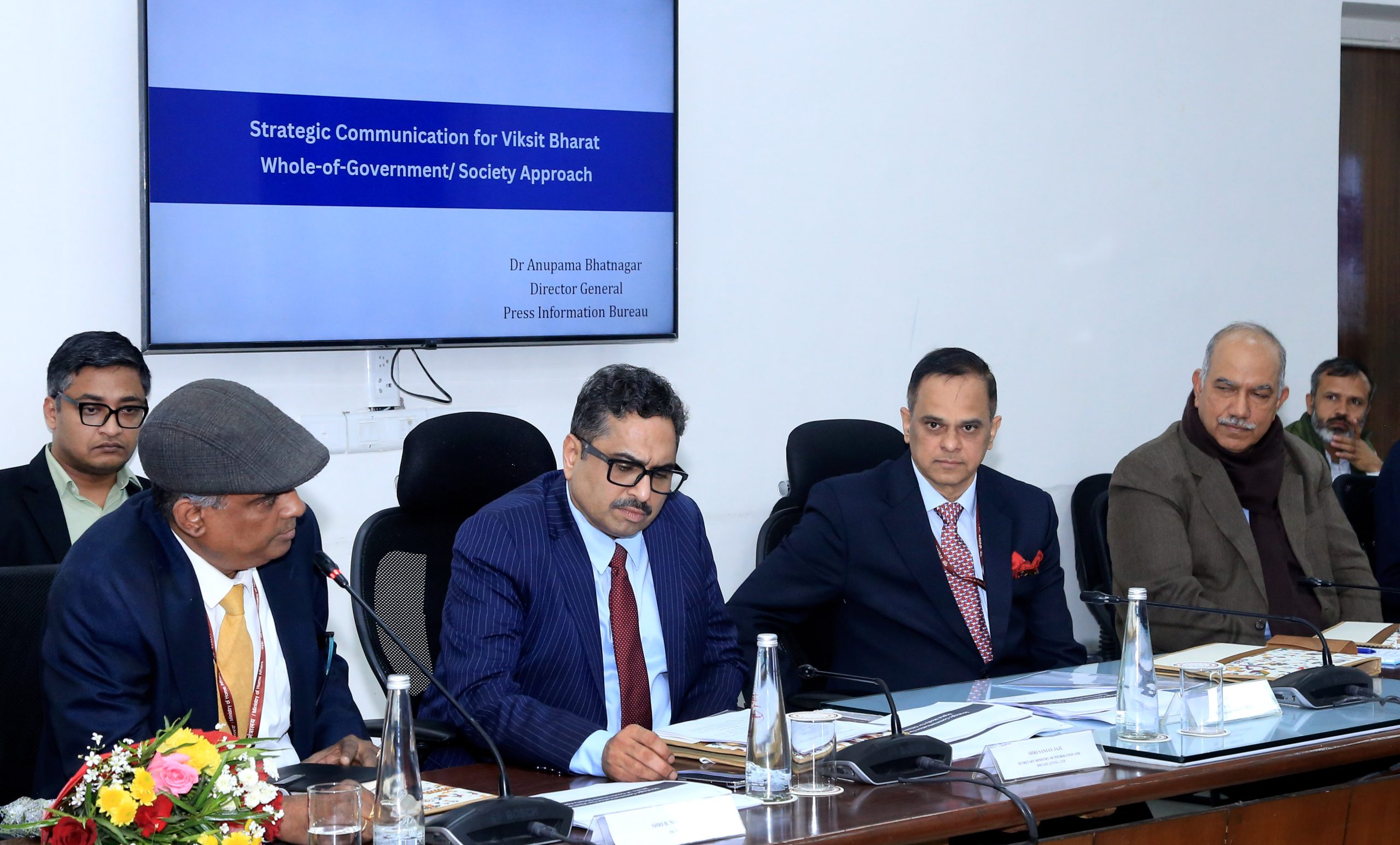
Addressing a high-level workshop titled “Reform–Perform–Transform and Inform” at the Secretariat Conference Hall on Thursday, the Chief Secretary said that all government departments must continuously upgrade their outreach strategies by adopting modern communication tools, digital platforms and social media, in addition to traditional modes of publicity.

He stated that the present era demands people-centric governance, where information must be accessible, understandable and relatable to the common citizen.


Need for Modern and Adaptive Communication

Shri Srinivas said that governance in the 21st century is no longer limited to policymaking alone; it also involves ensuring that accurate information reaches citizens in real time. With rapid technological changes and increasing digital penetration, government communication must evolve accordingly.

He highlighted that digital platforms, short videos, infographics and social media engagement have become essential tools to connect with citizens, especially youth and rural populations.


DIPR’s Innovations Enhancing Public Outreach

The Chief Secretary lauded the Department of Information and Public Relations (DIPR) for its continuous innovation in government communication. He cited recent DIPR initiatives such as:

  • Army Day Parade coverage
  • Employment Calendar awareness campaign
  • Road Safety awareness videos

These initiatives, he said, garnered lakhs of views and widespread public engagement, proving that well-curated and relevant content can significantly amplify the government’s message.


Joint Initiative of State and Central Government

The workshop was organised jointly by the Ministry of Information & Broadcasting (Government of India) and the Department of Information and Public Relations, Rajasthan, under the guidance of the State Government.

The event witnessed participation from senior bureaucrats, communication experts and policymakers, underlining the growing importance of strategic government communication at both state and national levels.


Simple Language and Emotional Appeal Are Most Effective: Sanjay Jaju

Addressing the workshop, Secretary, Ministry of Information & Broadcasting, Government of India, Shri Sanjay Jaju, shared insights from the Central Government’s communication initiatives.

He stressed that government information should be communicated in simple, clear and credible language, supported by an emotional appeal that resonates with the public.

“When communication is simple and emotionally engaging, people not only understand government initiatives better but also feel connected to them,” he said.


Successful National Campaigns as Examples

Shri Jaju cited several national-level campaigns that effectively connected with citizens, including:

  • GST Bachat Utsav
  • Har Ghar Tiranga
  • Swachh Bharat Abhiyan
  • Ek Ped Maa Ke Naam

He said these campaigns demonstrated that clarity of message and simplicity of language are crucial for mass participation and public ownership of government initiatives.


Power of Positive News and Infographics

The Secretary noted that positive stories, success narratives and government achievements, when presented concisely through infographics and short videos, perform exceptionally well on social media platforms.

Such formats, he said, help build trust in governance and counter negativity in the digital space.


Using AI to Counter Fake and Misleading News

Highlighting a major challenge of the digital age, Shri Jaju said that governments must proactively use Artificial Intelligence (AI) to detect, analyse and curb the spread of fake and misleading news on social media.

He emphasised that timely dissemination of authentic information is the strongest antidote to misinformation.


Presentations by PIB and MMW & EMMC

On the occasion:

  • Director General, PIB, Smt. Anupama Bhatnagar, delivered a presentation on innovative communication practices adopted by the Central Government.
  • Principal Director General, MMW & EMMC, Shri B. Narayanan, spoke on “Platform-Specific Communication”, highlighting the importance of tailoring content according to different digital platforms.

Interactive Session with Senior Officers

During the interactive session, Additional Chief Secretaries, Principal Secretaries, Joint Secretaries and other senior officers shared their experiences, challenges and suggestions for strengthening government communication.

There was a consensus that public understanding and participation are critical to the success of governance reforms.


DIPR to Adopt a Strengthened Communication Strategy

Secretary, DIPR, Shri Sandesh Nayak, assured that the department would adopt the valuable inputs received during the workshop and work with a robust, modern and citizen-focused communication strategy.

Commissioner, DIPR, Shri Rakesh Sharma, provided an overview of the department’s digital initiatives and ongoing experiments in social media outreach.


Conclusion

The workshop reinforced the idea that Reform, Perform and Transform are incomplete without Inform.
Government schemes and policies achieve real success only when they are communicated clearly, credibly and compassionately to the people they are meant to serve.


HISTORIC SWEET SPOT — MAHAYUTI TRIUMPHS IN BMC
In a powerful political shift in Mumbai and across urban Maharashtra, the Bharatiya Janata Party (BJP) and its ally Shiv Sena (Eknath Shinde faction) — together known as the Mahayuti...

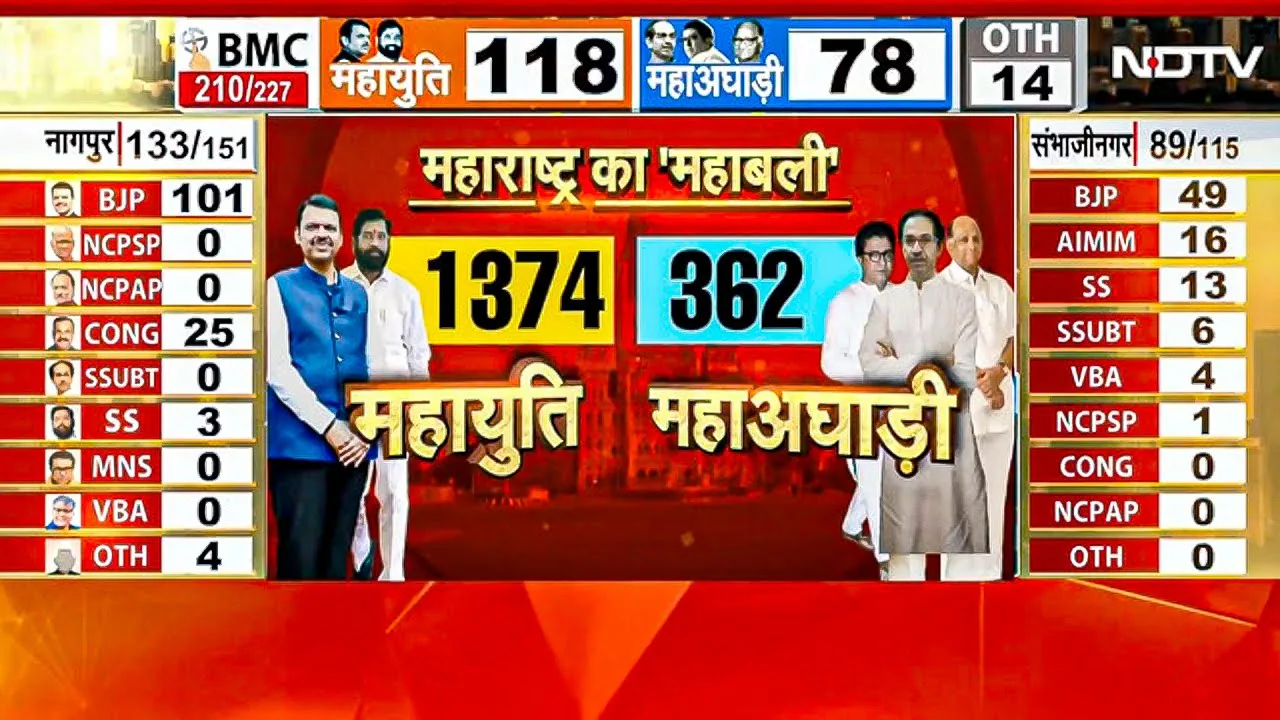
In a powerful political shift in Mumbai and across urban Maharashtra, the Bharatiya Janata Party (BJP) and its ally Shiv Sena (Eknath Shinde faction) — together known as the Mahayuti — secured a decisive victory in the 2026 Brihanmumbai Municipal Corporation elections, reshaping the civic political landscape and altering the balance of power in one of India’s most pivotal civic bodies.

The Brihanmumbai Municipal Corporation (BMC) — often described as India’s richest and most influential local body — has 227 seats. Historically dominated for decades by the erstwhile undivided Shiv Sena, the 2026 elections marked a major turning point.

Final Results: A Clear Mandate

  • BJP emerged as the single largest party in the BMC, winning 89 seats.
  • Shiv Sena (Shinde-led) allied with the BJP secured 29 seats.
  • Together, the Mahayuti alliance surpassed the majority mark (114) with 118 seats.
  • The Uddhav Thackeray-led Shiv Sena (UBT) finished with 65 seats, while the Congress, AIMIM, MNS, and NCP factions lagged further behind.

This sweeping mandate not only marked a new era in Mumbai civic politics but also established the Mahayuti as the dominant urban force in Maharashtra’s governance matrix, delivering a blow to legacy parties and reaffirming BJP’s electoral strength across multiple municipal bodies.


BEYOND BMC — STATEWIDE CIVIC SWEEP

The BJP-Shiv Sena alliance did not just win in Mumbai — they swept the Maharashtra municipal elections in many urban centers:

  • Pune Municipal Corporation
  • Pimpri-Chinchwad
  • Navi Mumbai
  • Nagpur
  • Thane
  • Mira-Bhayandar
  • Nashik
  • Solapur
    and several others saw the Mahayuti emerge as the principal political force, often by comfortable margins.

Overall across the state, the BJP alone won over 1,400 seats across municipal corporations, an unprecedented performance that underscored the party’s penetration in urban Maharashtra — far beyond its traditional base.


WHY THIS MATTERED: BREAKING OLD PATTERNS

Ending Three Decades of Sena Dominance

For nearly 30 years, the undivided Shiv Sena — under leaders like Bal Thackeray, Uddhav Thackeray and later the splintered factions — had wielded influence in the BMC. The 2026 results broke that long-standing hold and established a new political order in India’s richest civic body.

BJP’s Strategic Gains

The BJP’s performance went beyond a mere alliance win. The party emerged as the single largest force in BMC for the first time on its own credentials, reflecting strong organizational work, targeted campaigning, and strategic voter outreach.

Political analysts highlighted several reasons for the BJP’s dominance:

  • Urban development narrative and governance claims
  • Appeal to diverse demographic groups
  • Triple engine effect — alignment between municipal, state, and central government agendas
  • Fragmented opposition allowing multi-cornered contests to benefit the Mahayuti coalition.

THE CAMPAIGN — ISSUES, STRATEGIES, AND NARRATIVES

Mahayuti’s Pitch

The Mahayuti alliance’s campaign focused heavily on:

  • Urban infrastructure and civic services
  • Public safety and law-and-order
  • Economic opportunity and investment
  • Efficient governance and clean administration

Senior leaders, including Devendra Fadnavis (Maharashtra Deputy Chief Minister) and other BJP stalwarts, argued that voters were choosing delivery over legacy politics, often invoking improved infrastructure and service delivery as key reasons for their surge.

The alliance also projected itself as a unified force capable of addressing pressing municipal concerns — from traffic and waste management to housing and public health — contrasting this with what they described as stagnation under old guard leadership.

The Opposition’s Struggles

The Uddhav Thackeray faction of the Shiv Sena — and its occasional allies like Congress and smaller parties — struggled to consolidate votes in a way that could overcome the Mahayuti’s electoral strength. The opposition’s fragmented stance and differing messages diluted their impact, especially in multi-cornered contests.


VOICES FROM THE GROUND — REACTIONS AND ANALYSIS

Political Analysts

Experts described the outcome as a recalibration of Maharashtra’s urban political map, with the Mahayuti exploit strategies that blended political consolidation with governance promises. The results were also seen as reinforcing the “triple engine” narrative where voters preferred ideological and administrative coherence between municipal, state, and central leadership.

Party Leaderships

  • BJP leaders celebrated the verdict as a mandate for governance and development, crediting hard ground-level work over years and a positive voter response to their civic agenda.
  • Eknath Shinde, representing Shiv Sena allied with BJP, highlighted that the citizens had put faith in the Mahayuti and that the alliance would honor that trust with proactive governance.

Opposition Perspectives

Opposition leaders, including from the Uddhav Thackeray camp, expressed disappointment, citing larger political currents and campaign inequalities, but also hinted at internal evaluation and future strategy planning. Analysts observed that while opposition forces retain meaningful presence, they need a more unified and resonant narrative to counter the Mahayuti’s momentum in future contests.


IMMEDIATE AFTERMATH: GOVERNANCE AND MEYORSHIP

With the Mahayuti alliance controlling the majority of seats:

  • The Mayor’s post in Mumbai became a focal point of political negotiation, with signals pointing toward leadership from within the alliance.
  • Administrative reorganization was already underway inside the BMC headquarters, including reallocation of party offices and refurbishments reflective of the new political control.
  • Policymakers immediately prioritized urban development projects and administrative continuity to signal efficiency and stability to residents.

WIDER IMPLICATIONS — WHAT THIS MEANS FOR MAHARASHTRA POLITICS

Shift in Urban Power Dynamics

The Mahayuti’s sweeping performance signals a fundamental shift in Maharashtra’s urban political equations, particularly in:

  • Policy priorities
  • Resource deployment
  • Future electoral strategies

The BMC win provides the Mahayuti coalition with control of major urban resources and governance levers, which will be politically significant in upcoming state and national elections.

Opposition Recalibration

Parties that underperformed face pressing decisions about alliances, leadership and messaging. For the Uddhav Thackeray faction of the Shiv Sena and the Congress, the challenge will be reinventing their appeal to attract broad-based urban voters who increasingly appear aligned with development-oriented frames.


CITIZENS’ RESPONSE — PUBLIC SENTIMENT

Voters’ reactions varied:

  • Many expressed support for promises of improved city services and stronger civic governance.
  • Others saw the results as affirmation of political efficiency and alignment with broader national priorities.
  • Some raised concerns about political monopolization and healthy democratic competition, calling for vibrant opposition voices.

Public discourse highlighted that while administrative performance mattered, identity narratives, governance messaging, and coalition dynamics equally shaped voting behavior.


LOOKING FORWARD: WHAT COMES NEXT

Over the coming months, the Mahayuti alliance is expected to set its civic agenda into motion, focusing on:

  • Infrastructure modernization
  • Urban planning
  • Affordable housing
  • Public amenities enhancement

Their performance in governance will become a litmus test for maintaining political strength ahead of future elections.

Conversely, opposition parties will likely reassess strategies to break new ground in civic and state politics.


CONCLUSION

The 2026 BMC election results represent one of the most significant political realignments in Maharashtra’s recent history. The BJP-Shiv Sena Mahayuti’s triumphant victory, particularly the BJP’s emergence as the largest single party in BMC, reflects deep electoral currents influenced by governance aspirations, alliance dynamics, and shifting voter preferences. Drawing from historical dominance, strategic alliances, and clear majority outcomes, this election will be studied as a pivotal moment in the evolution of civic politics in India’s urban heartland.

Ignite Your Stone Empire at India StoneMart 2026! Shikhar Agarwal’s High-Energy Review Fuels Jaipur Success
Power-packed India StoneMart 2026 at Jaipur JECC! Shikhar Agarwal orders agencies to align for world-class stone fair—unlock Rajasthan natural stone export, investment & jobs Feb 5-8.

January 19, 2026, 08:20 PM | Jaipur

Excerpt: India StoneMart 2026 is set to revolutionize Rajasthan’s stone industry! ACAS Shikhar Agarwal’s high-level review ensures seamless prep at JECC Sitapura. Discover Jaipur StoneMart dates, stone export opportunities, and global trade boost—don’t miss this game-changer for producers, exporters, and buyers!

Jaipur. Preparations for India StoneMart 2026 are in full swing! Industry & Commerce Department’s Additional Chief Secretary (ACAS) Shri Shikhar Agarwal conducted a high-level review of Jaipur StoneMart arrangements on Monday at Udyog Bhawan. He directed all agencies to work in perfect coordination and finalize remaining setups on time for a world-class stone industry event.

Key Highlights from JECC Sitapura Prep Meeting

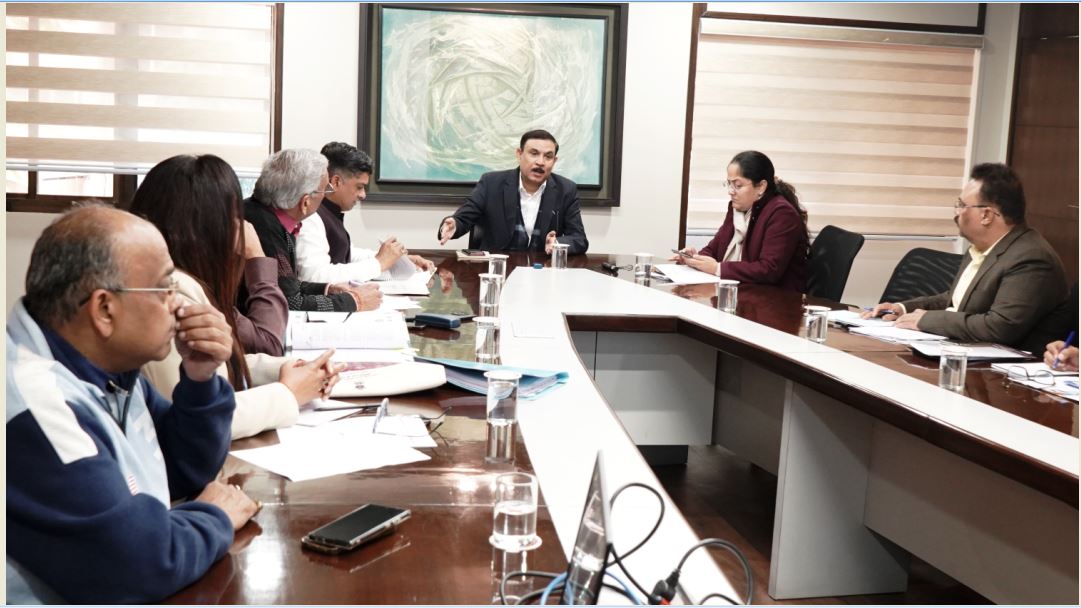
The meeting featured a detailed presentation on India StoneMart 2026, covering exhibition layout, halls & open areas, parking, stall bookings, national-international participation, logistics, security, traffic management, and visitor amenities at Jaipur Exhibition & Convention Centre (JECC) Sitapura. Attendees included RIICO MD Smt. Shivangi Swarnkar, Laghu Udyog Bharti National Secretary Shri Naresh Pareek, India StoneMart Convener Shri Natwarlal Ajmera, National Vice President Smt. Anju Singh, and officials from Centre for Development of Stones.

Why India StoneMart 2026 is a Stone Export Powerhouse

India StoneMart 2026 will run from February 5-8, 2026, at JECC Sitapura, Jaipur. This premier international expo spotlights Rajasthan’s natural stone industry, drawing producers, exporters, buyers, architects, designers, and experts worldwide. It showcases stone export potential, investment opportunities, and drives Rajasthan trade growth, job creation, and stone industry Jaipur capabilities on the global stage.

Stone businesses eyeing Jaipur StoneMart—book stalls now for unmatched stone export Rajasthan exposure!

From Hoysala Temples to Paris: Dr. Sushma Mahajan’s Stunning Watercolors Take Center Stage at JKK
Chief Secretary V. Srinivas reviews Dr. Sushma Mahajan's solo watercolor exhibition 'Melody of Colors' at JKK Jaipur. Explore 60 stunning artworks featuring Hoysala & Chola architecture from Jan 17-19. Read...

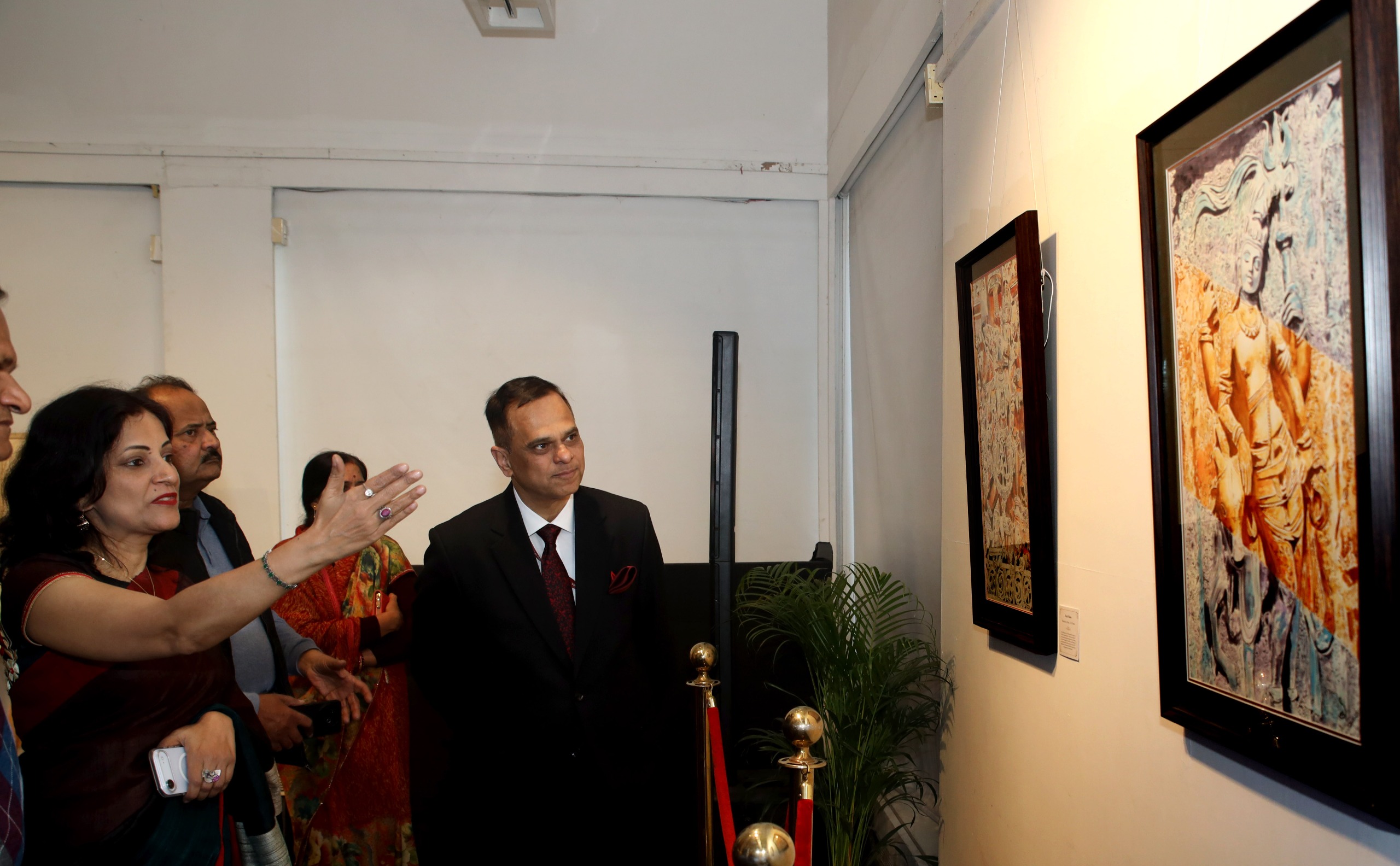
Jaipur, January 17: Chief Secretary Shri V. Srinivas visited Jawahar Kala Kendra on Saturday to review ‘Melody of Colors,’ a solo exhibition by renowned watercolor artist Dr. Sushma Mahajan. During his visit, he highly appreciated the displayed artworks for their intricacy and emotional depth.

The exhibition, scheduled from January 17 to 19, features approximately 60 watercolor paintings. Among these, 22 new pieces have been created specifically for this show. The collection also includes selected works previously exhibited in Paris, Jaipur, and New Delhi.

Dr. Mahajan’s portfolio covers a wide range of themes, including:

  • Temple Architecture: Specifically inspired by Hoysala and Chola styles.
  • Nature & Life: Landscapes, flowers, birds, and animals.
  • Vintage & Still Life: Compositions reflecting balance and calm.

Her recent works are noted for their profound reflection on structure and rhythm, earning praise for their balanced color palettes and subtle detailing.

India Celebrates Harvest 2026: Makar Sankranti, Pongal, and Magh Bihu Traditions Revealed
Explore how India celebrates Makar Sankranti, Pongal, and Magh Bihu in 2026. Discover the significance of the Sun’s journey, rituals like PM Modi’s Pongal feast, and the cultural diversity of...

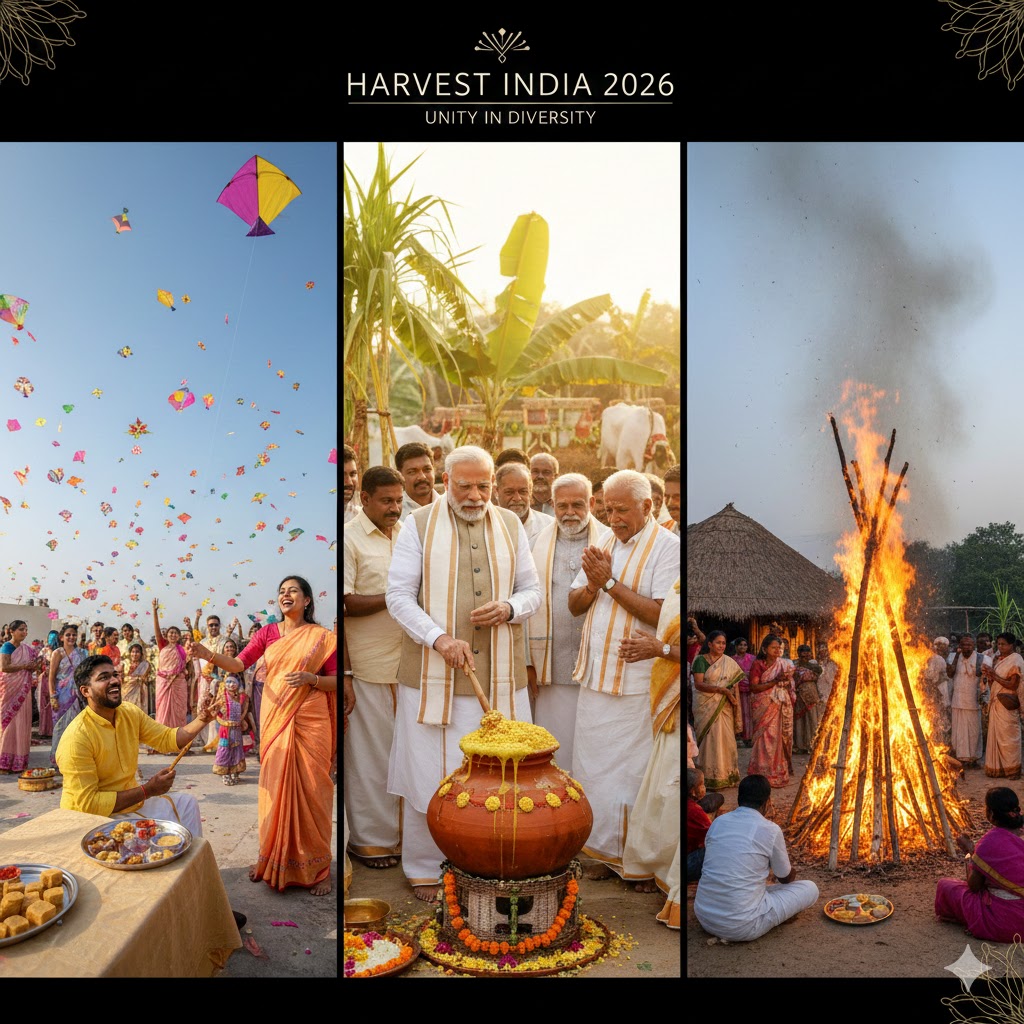
January 14, 2026, India is draped in vibrant colors and festive spirit as millions celebrate Makar Sankranti, Pongal, and Magh Bihu.1 These festivals mark the Sun’s transition into the zodiac sign of Capricorn (Makara) and the start of Uttarayana, the auspicious six-month northward journey of the Sun.2+1

While the core essence of gratitude to nature and the Sun God remains the same, each region brings its own unique flavor to the celebrations.3


1. Makar Sankranti: The Festival of Kites and Holy Dips4

Celebrated primarily in North and West India, Makar Sankranti is a day of spiritual purification and sky-high joy.

  • The Ritual of Snan: Thousands of devotees gathered at the Gangasagar Mela in West Bengal and various ghats of the Ganga in Varanasi and Haridwar for a holy dip, believed to wash away sins.5
  • Kite Flying: In Gujarat and Rajasthan, the skyline is a mosaic of kites.6 The International Kite Festival reached its peak today as families gathered on rooftops to participate in friendly “kite battles.”7+1
  • Auspicious Muhurat: For 2026, the Punya Kala (auspicious window) is observed today from 03:13 PM to 05:45 PM, with the specific Sankranti Moment occurring at 03:13 PM.8

2. Pongal: Tamil Nadu’s Four-Day Harvest Gala9

In South India, particularly Tamil Nadu, the harvest festival is known as Thai Pongal.10

  • “Pongalo Pongal!”: The main ritual involves boiling fresh rice with milk and jaggery in new clay pots.11 As the mixture overflows, people shout “Pongalo Pongal!” to symbolize overflowing prosperity.
  • PM Modi’s Participation: Prime Minister Narendra Modi joined the festivities today at the residence of Union Minister L.12 Murugan in Delhi, highlighting the “Namma Ooru Modi Pongal” initiative which bridges Tamil culture with national unity.13+1
  • Mattu Pongal: Tomorrow (Jan 15), the focus will shift to Mattu Pongal, where cattle are decorated and worshipped for their vital role in farming.14

3. Magh Bihu: Assam’s Feast of Fire and Food15

In the Northeast, Assam is celebrating Magh Bihu (also called Bhogali Bihu), which is centered around community bonding and feasting.16

  • Uruka Night: Last night, communities gathered for Uruka, a grand feast held inside temporary thatched huts called Bhelaghars.17
  • Burning the Meji: This morning, the Meji (tall structures made of bamboo and straw) were set ablaze as an offering to Agni Dev, the God of Fire.18 People prayed for a bountiful year ahead while sharing traditional snacks like pitha (rice cakes) and laru (sweet balls).19+1

Quick Comparison: The Harvest Season at a Glance

FeatureMakar SankrantiThai PongalMagh Bihu
Primary RegionNorth & West IndiaTamil NaduAssam
Key OfferingTil-Gul (Sesame & Jaggery)Sweet Pongal (Rice/Milk)Pitha (Rice Cakes)
Major SymbolKites & Holy DipsOverflowing PotMeji (Bonfire)
Deity WorshippedSurya (Sun God)Surya & CattleAgni (Fire God)

Cultural Unity in Diversity

President Droupadi Murmu and PM Modi both highlighted that these festivals are a testament to India’s “Ek Bharat Shreshtha Bharat” spirit.20 Whether it is through the exchange of Til-Gul in Maharashtra or the sharing of Jolpan in Assam, the underlying message remains: a deep respect for the Earth, the farmers, and the celestial cycles that sustain life.21+1

Would you like me to find the best traditional recipes for Pongal or the specific bank holiday list for your city tomorrow?