

Pugal Solar Park will have 2450 MW capacity
Investment worth Rs 17 thousand crore will come, tender issued on online platform for development of the park

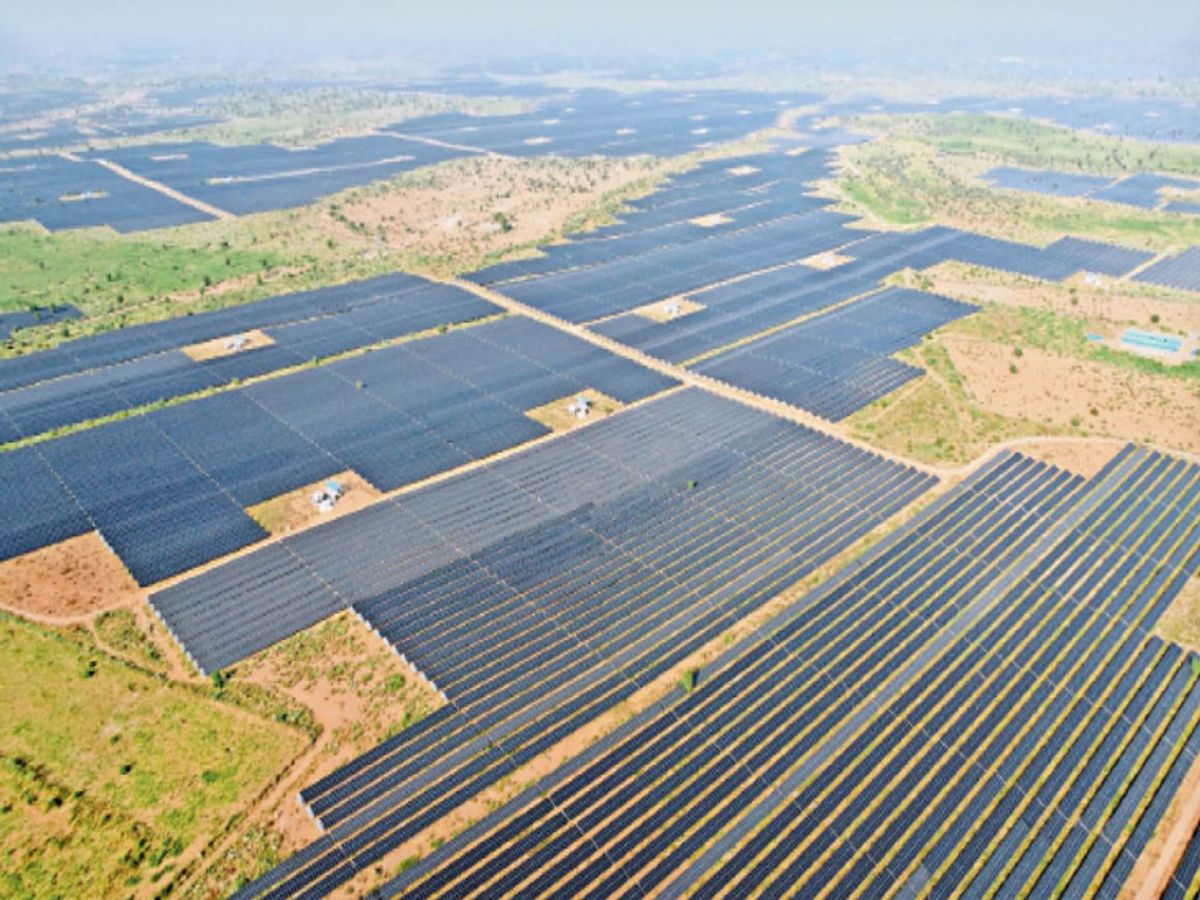
Jaipur, 11 January. Under the leadership of Chief Minister Bhajanlal Sharma, the state government is continuously giving impetus to solar energy projects in the state. In this sequence, the tender for the solar park being established in Pugal in Bikaner district has been launched on the online platform. In this, the last date for submitting bids has been fixed as March 9. In this tender, Indian and foreign companies in the solar energy sector will submit their bids.

Energy Minister Shri Hiralal Nagar informed that along with 2,450 MW solar power projects, 1,600 MW/6,400 MW-hour battery energy storage system will also be set up in Pugal Solar Park. This park will be a major step towards providing assured and dispatchable renewable energy in the state.  

The Energy Minister said that Rajasthan Solar Park Development Company, a subsidiary of Rajasthan Renewable Energy Corporation Limited, is developing the infrastructure for this project. 4,394 hectares of land has been allotted for this. The solar and battery energy storage projects that will be established in this will be connected to the transmission system of Rajasthan Electricity Transmission Corporation. The projects will be developed under the “Build on Operate” (BOO) model.

He said that 100 percent power generated from these projects will be purchased by Rajasthan Energy Development and IT Services Limited for the discoms of the state for 25 years. This will ensure long-term revenue to developers.

The park will be developed in two parts. The first phase will develop 2,000 MW of solar power as well as a 1,320 MW/5,280 megawatt-hour battery energy storage system. The second phase will develop 450 MW of solar power and a 280 MW/1,120 megawatt-hour energy storage system. Bidders can participate in both the lots. In this, use of solar modules listed in the Approved List of Module Manufacturers, adherence to cyber security standards and installation of GPS-enabled automatic weather stations will be mandatory. Energy production will have to start within 24 months from the date of signing.

The Energy Minister said that these projects will bring investment of about Rs 17,000 crore and generate about 1,000 direct and indirect employment opportunities, which will contribute significantly to the socio-economic development of the state.

The Energy Minister said, “This mega tender will make Rajasthan a leader in renewable energy along with energy storage. It will ensure power supply during peak hours and will significantly contribute to India’s energy transition. He has invited developers from across the country and the world to participate in this transformative initiative. 

key dates

Opening of bids: 12 March 2026

Bid download start: 9 January 2026

Site Visit: From 10 January 2026

Pre-bid meeting: 22 January 2026

Bid submission: 9 March 2026

Rajasthan becomes witness to military history of India
Army Day in Jaipur for the first time, a glimpse of India's strong will against modern war policy, military innovation and terrorism

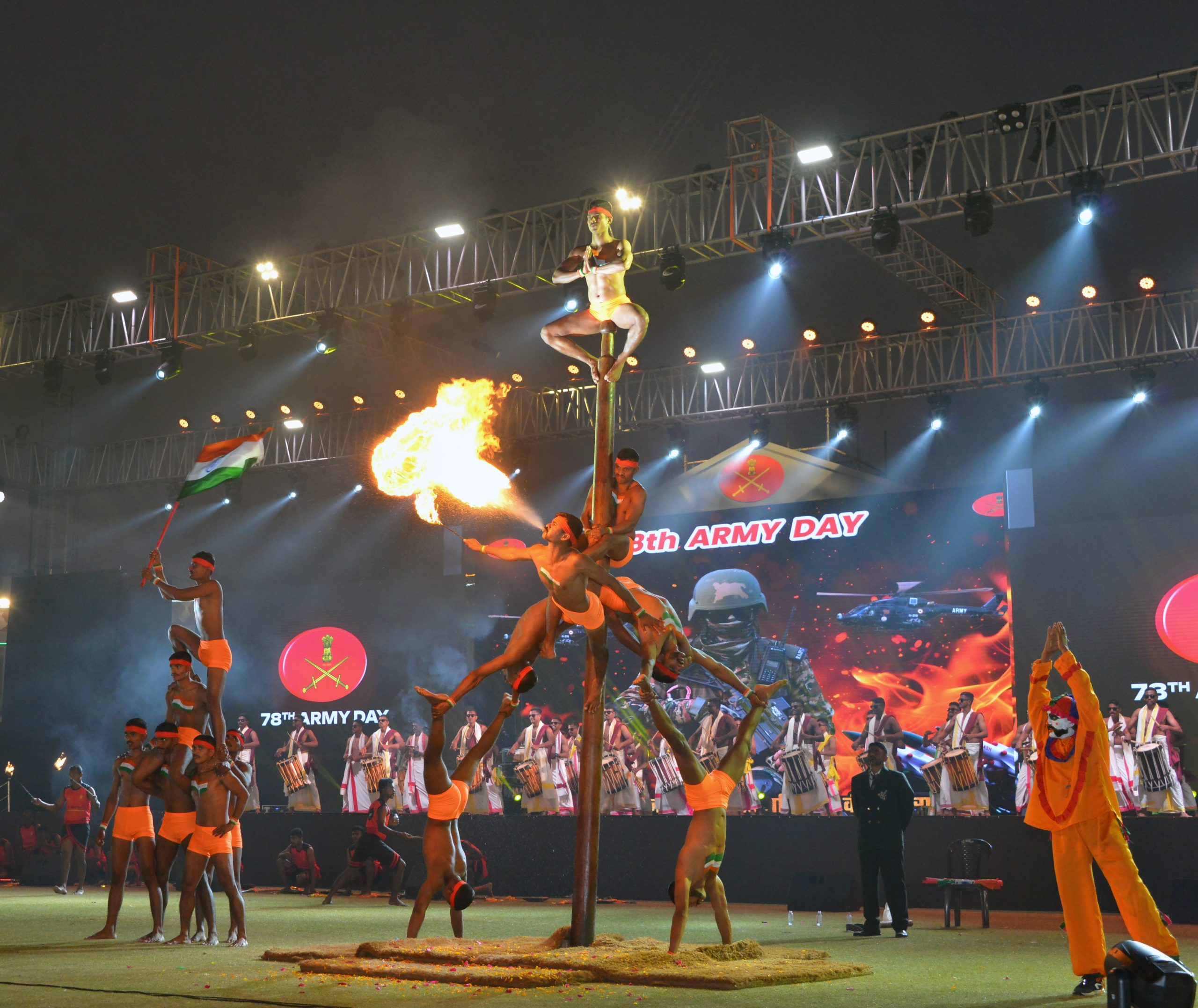
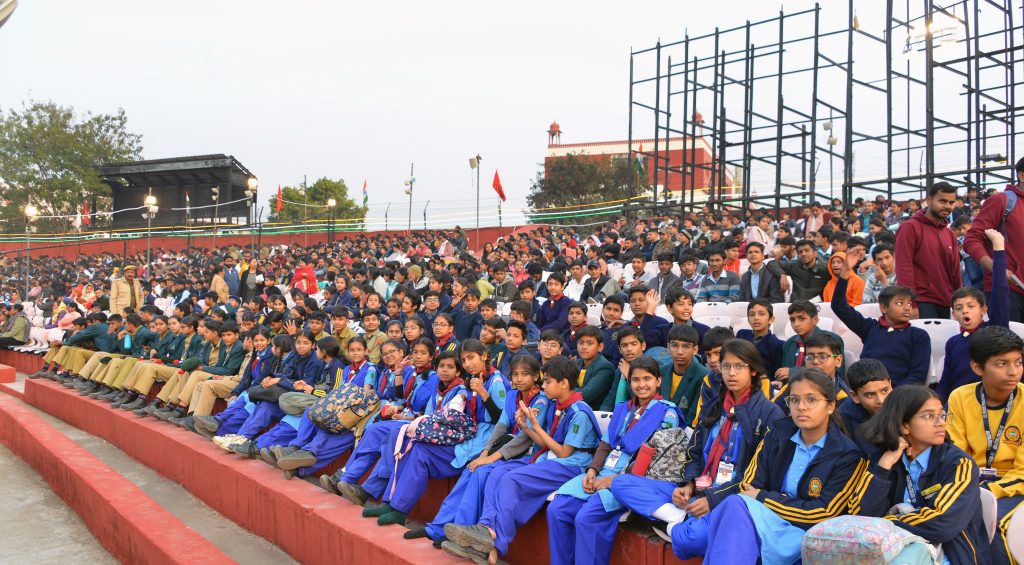
Jaipur, 10 January. On the occasion of 78th Army Day, the indomitable courage, bravery and military might of the Indian Army was displayed in a grand display in the Shaurya Sandhya organized by the South Western Command (Sapta Shakti Command) of the Indian Army at Sawai Mansingh Stadium, Jaipur. In this historic event, the wars and major military operations fought by the Indian Army from the Indo-Pak War of 1947 to Operation Sindoor were depicted alive through theatrical, visual and technical presentations.

On this occasion, Army Commander of South Western Command, Lieutenant General Manjinder Singh said that Rajasthan is a land of bravery and bravery. This land has given birth to mighty warriors like Maharana Sanga, Maharana Pratap, Param Vir Chakra winner Piru Singh, Param Vir Chakra winner Shaitan Singh. He said that Army Day is being organized for the first time in Rajasthan on the initiative of Prime Minister Shri Narendra Modi. He said that during this period, activities like Honor Camp, Cycle Rally, Mega Medical Camp, ‘Know Your Army’ exhibition are being organized.

Lieutenant General Manjinder Singh said that under the leadership of Prime Minister Shri Modi, the modernization of India’s armed forces is progressing at an unprecedented pace. Indigenization in defense production is being given priority under the “Make in India” and “Atmanirbhar Bharat” campaigns. He told that with the help of these new technologies, in Operation Sindoor, India forced the enemy country Pakistan to surrender in just 88 hours.

Images of military innovation and modernization adorned with 1,000 indigenous drones—

The main attraction of Shaurya Sandhya was the grand drone show decorated with one thousand indigenous drones. The glimpse of Arjuna riding the chariot of Lord Krishna in the sky, Maharana Pratap, Chhatrapati Shivaji Maharaj, the tricolor, army insignia as well as the Bhairav ​​battalion of the Indian Army, military renewal and modernization mesmerized the audience. The drone show powerfully presented the indigenous defense capabilities and the spirit of Prime Minister Narendra Modi’s Vikas Bharat-2047.

The story of the glory of Operation Sindoor seen in a theatrical presentation and a short film –

The theatrical presentation and film displayed at the program depicted the journey of glory, courage and sacrifice of the Indian Army from 1947 to Operation Sindoor. In these, from the tribal attacks in Kashmir to the Indo-Pak war of 1965 and 1971, the Kargil War, the First Kashmir War, the cruelty and nefarious intentions of Pakistan-sponsored terrorism in the Pulwama attacks and our military surgical strike against it, the indomitable courage of the Indian Army and the strong will of Prime Minister Narendra Modi in various military actions like ‘Operation Sindoor’, Operation Sudarshan Chakra were effectively presented, which filled the gathering with patriotism. Gave.

Amazing confluence of tradition and power—

Traditional Indian sports arts Malkhamb and Kalaripayattu were also demonstrated in the Shaurya Sandhya. Along with this, the exciting aerial display by Shatrujit Brigade of Para Motors made the program even more memorable.

Field Marshal K. M. Cariappa took charge as the first Army Chief of independent India on January 15, 1949. To perpetuate this memory and commemorate the pride of the Army, Army Day is celebrated every year on 15 January. This day symbolizes to pay tribute to the courage, discipline and supreme sacrifice of our brave soldiers who have protected the unity, integrity and sovereignty of the country.

Army Day organized for the first time in Jaipur—

For the first time, Army Day is being organized in Jaipur. This is a proud moment for the state. Along with this, for the first time in the country this event is being organized outside the military cantonment area. There was a tradition of organizing Army Day in New Delhi Cantonment area till the year 2022. On the initiative of Prime Minister Shri Narendra Modi, Army Day started being celebrated outside New Delhi from 2023 with the aim of connecting the common people across the country with the sacrifice and pride of the Army. Army Day was celebrated in Bangalore in 2023, Lucknow in 2024 and Pune in 2025, but for the first time in the country, Army Day, 2026 is being celebrated outside the cantonment area so that maximum participation of the common people can be ensured.

On this occasion, Chief Government Secretary of General Administration Department, Mr. Naveen Jain, Government Secretary, Sports and Youth Affairs Department, Mr. Neeraj K. Pawan, Jaipur District Collector Dr. Jitendra Soni, senior officers of the Indian Army, soldiers, NCC cadets and a large number of common people were present.

Union Textile Minister Giriraj Singh praised Rajasthan Textile Policy
Said- Other states should also make such policy

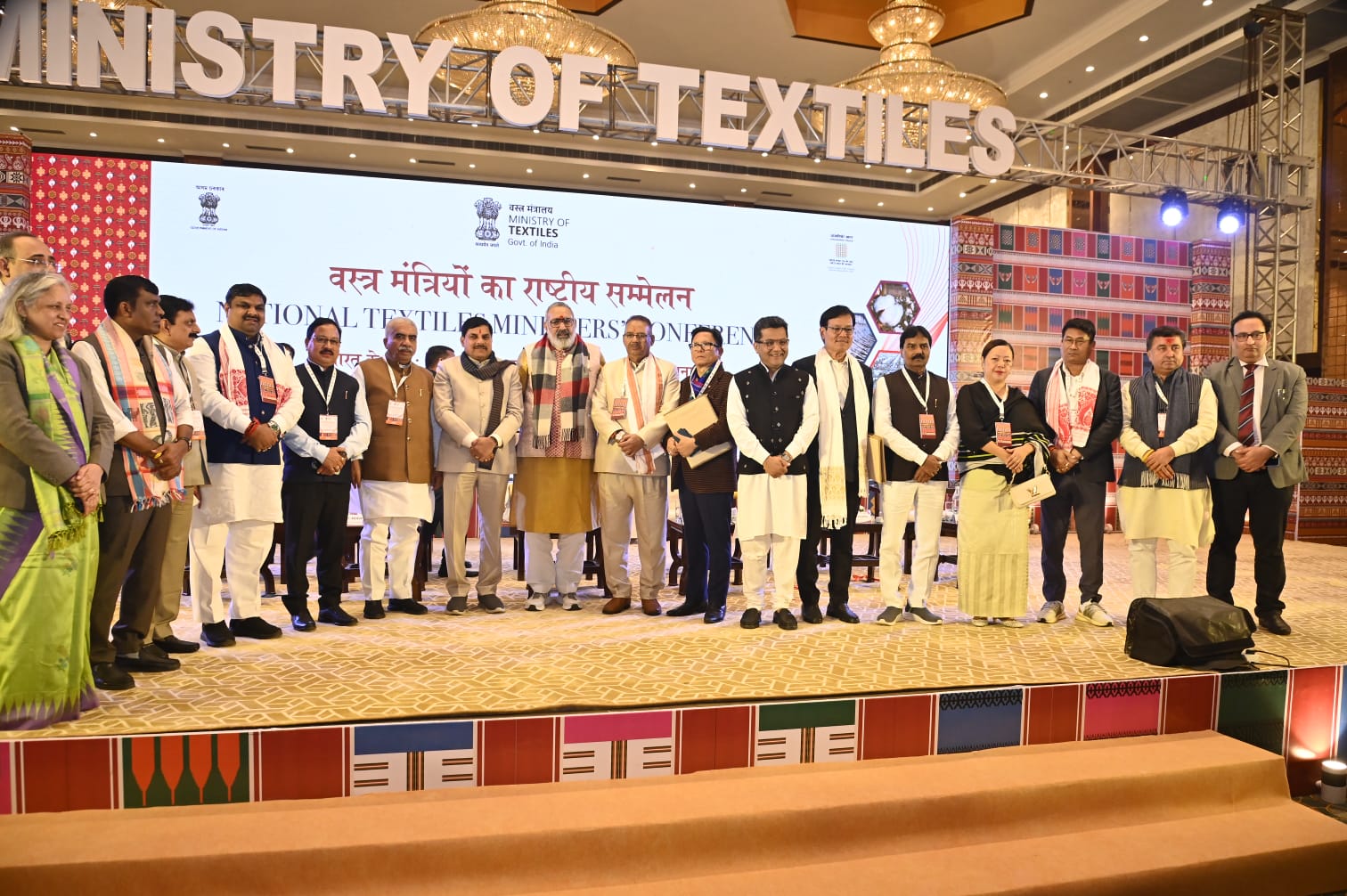
Jaipur, 9 January. In the National Textile Ministers’ Conference in Guwahati, Assam, Union Textile Minister Giriraj Singh has described the Rajasthan Government’s textile policy as ideal and advised all the states to prepare a similar roadmap for the development and investment of their textile industry. In the programme, he was given a copy of Rajasthan Textile and Apparel Policy-2025, read it carefully, showed interest in it, took feedback from the concerned people and appreciated this policy.

In this two-day conference, textile ministers and senior officials from states and union territories across the country have gathered to discuss the future roadmap of the textile sector. In this, a delegation of Rajasthan Government, Minister of State for Industry and Commerce K.K. Vishnoi, along with senior additional commissioner SS Shah and other officials.

MoU between Textile Ministry and Rajasthan—

At the conference, the Union Textiles Ministry has taken a revolutionary step towards evidence-based policy making by signing Memorandums of Understanding (MoUs) with 15 states including Rajasthan. The MoUs signed between the Ministry of Textiles and the respective State Governments are part of the “Textile Focused Research, Evaluation, Monitoring, Planning and Start-up (TEX-RAMPS)” scheme. This scheme of the Central Government has been created to improve the coverage, quality, timeliness and reliability of textile related statistical products and research. Through these MoUs, a strong operational framework has been created to strengthen textile data systems in various States and Union Territories. Under the TEX-RAMPS scheme, this initiative promotes integrated planning for key sectors including handloom, handicrafts, apparel, technical textiles etc. by focusing efforts directly at the cluster and district level.

To support these structural reforms, the Textiles Ministry is providing a financial grant of Rs 12 lakh per year to each state. This includes an additional grant of Rs 1 lakh per year for each district, which will be distributed based on the development and implementation of specific district action plans.

Proud moment for Industries Department – ​​Commissioner

Industries and Commerce Commissioner Suresh Kumar Ola said that it is a matter of pride for Rajasthan that its policies are being appreciated at the national level and other states are being suggested to make such policies. Under the leadership of Chief Minister Shri Bhajanlal Sharma, many new policies including Rajasthan Textile and Apparel Policy-2025 have been implemented by the state government, which will yield positive results in the future.

Successful Central Innovation ‘Sectoral Group of Secretaries’ Implemented in Rajasthan
To Accelerate ‘Viksit Rajasthan@2047’ Goals

Following the successful governance model of the Central Government, Chief Secretary Shri V. Srinivas has implemented the ‘Sectoral Group of Secretaries’ (SGoS) concept in Rajasthan. This model has proven to be an exceptionally successful tool and concept for good governance in central administration. On the directions of the Chief Secretary, the Department of Administrative Reforms and Coordination issued orders on Monday for the formation of seven Sectoral Groups of Secretaries in the state.

Objective and Vision – These groups have been constituted to formulate strategies, mid-term and long-term action plans and Key Performance Indicators (KPIs) to achieve the vision of ‘Viksit Rajasthan@2047’. The groups will also focus on:

  • Resolving inter-departmental issues.
  • Reviewing the implementation of Budget announcements and the Rajasthan Sankalp Patra-2023.
  • Monitoring flagship schemes.
  • Rationalizing and merging schemes with similar objectives to improve efficiency.

The Seven Sectoral Groups The departments have been categorized into seven functional groups to ensure synergy:

  1. Group 1 (Rural & Agriculture): Secretaries of all departments related to Rural Development, Agriculture, and allied sectors.
  2. Group 2 (Infrastructure & Commerce): Focused on Infrastructure, Industry, and Trade.
  3. Group 3 (Resources): Handling natural and state resources.
  4. Group 4 (Social & Welfare): Focused on social justice, health, and education.
  5. Group 5 (Finance & Economy): Managing state economy and financial planning.
  6. Group 6 (Governance & Technology): Focused on E-governance and administrative reforms.
  7. Group 7 (Security): Departments related to state security and law and order.

Operational Framework Each group will consist of a Convener and a Co-convener, who will hold regular meetings with member secretaries. These groups are tasked with preparing a summary of the action plan along with specific KPIs. The progress and strategies developed by these groups will be presented before the Council of Ministers periodically.

The Planning Department has been designated as the administrative department for the ‘Sectoral Group of Secretaries’ to ensure seamless coordination.

Chief Minister Bhajanlal Sharma inaugurated the state level exhibition
Visited the stalls of the departments in the exhibition organized at Jawahar Kala Kendra, the exhibition will be organized till December 18, general public will be able to visit from...

Jaipur, 15 December. Chief Minister Shri Bhajan Lal Sharma inaugurated the state level exhibition organized at Jawahar Kala Kendra on Monday on completion of two years of the state government. He observed public welfare schemes, development projects, various public utility equipment and products, innovations and achievements at the stalls of various departments in the exhibition.

Shri Sharma also got a selfie clicked at the digital selfie point installed at the stall of the Information and Public Relations Department. Additionally, they also participated in the quiz conducted through AI interactive panel at the stall. At the same time, at the stall of the Home Department, Director General of Police Shri Rajeev Kumar Sharma gave information to the Chief Minister regarding the innovations of the department. Shri Sharma expressed satisfaction over the effective disposal of complaints through Rajcop App.

The Chief Minister took information about grid digitalization through the presentation of Jaipur Discom at the stall of the Energy Department. During this, he said that PM Kusum Yojana and PM Surya Ghar Yojana are ambitious schemes of the double engine government. More and more people should be benefited through these. He took information about the working of the robotic machine for cleaning the sewerage manholes of the city at the stall of the Autonomous Government Department.

Shri Sharma launched new housing schemes for different income groups in Hanumangarh and Bhiwadi on behalf of Rajasthan Housing Board at the stalls of Urban Development and Housing Board. During this, the Chief Minister, on behalf of Jaipur Development Authority, symbolically distributed pattas on the spot to 3 farmers (total 20 beneficiary account holders) of Jagatpura Central Spine Scheme Block-G. Additionally, he also released the digital guide of JDA.

The Chief Minister reviewed important materials including achievements of the state government in two years, publications related to schemes, models of development works, photo-video panels in the development exhibition giving the message of “New upliftment – ​​New identity, Growing Rajasthan – Our Rajasthan”. He appreciated the state level exhibition equipped with useful information and instructed the officials to make the general public aware of the schemes, so that we can move forward rapidly towards achieving the goal of Developed Rajasthan-2047.

During this, Deputy Chief Minister Diya Kumari, Dr. Premchand Bairwa, Parliamentary Affairs Minister Shri Jogaram Patel, Social Justice and Empowerment Minister Shri Avinash Gehlot, Minister of State for Urban Development (Independent Charge) Shri Jhabar Singh Kharra, Minister of State for Panchayati Raj Shri Otram Devasi, Chief Secretary Shri V. Srinivas, Director General of Police Shri Rajeev Kumar Sharma, Government Secretary and Commissioner of Information and Public Relations Department Shri Sandesh Nayak were present. At the same time, senior officials of the department and the general public were also present at the departmental stalls.

It is noteworthy that in this exhibition organized by the Information and Public Relations Department, the exhibitions are being organized by Agriculture, Animal Husbandry and Fisheries Department, Cooperation, Water Resources and PHED, Rural Development and Panchayati Raj, Disaster Management, Labour, Energy, Mines and Geology, Public Works, Autonomous Governance, Urban Development, Transport and Road Safety, Information and Technology, Education, Industry and Commerce, Medical and Health, Home, Food and Civil Supplies, Planning, Social Justice and Empowerment, Women and Child Development, Forest, Tourism and other departments. Development works, schemes and achievements have been shown through photo and video panels. Through this exhibition, the general public will be able to get information about the welfare decisions, programmes, policies and schemes of the government. This state level exhibition will be held till December 18, which the general public will be able to visit from 11 am to 8 pm.

Chief Minister Bhajanlal Sharma gave the message of ‘Fit Rajasthan Fit India’
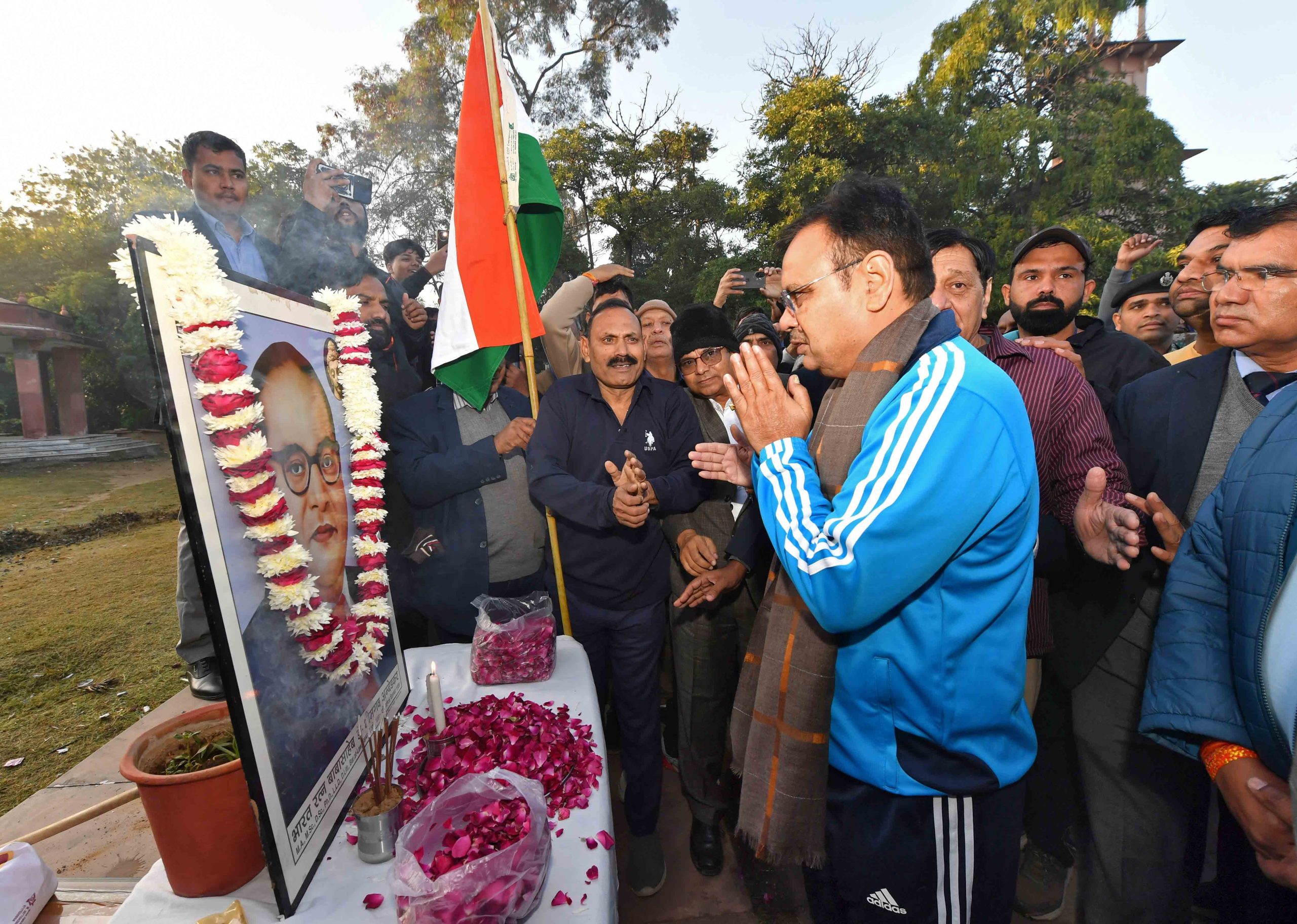
Chief Minister on morning walk, met common people along with walk in Jawahar Circle Park

Jaipur, 06 December. Chief Minister Bhajanlal Sharma took a morning walk in Jawahar Circle Park in Jaipur on Saturday morning. Taking forward the resolution of ‘Fit Rajasthan-Fit India’, he gave the message to everyone to adopt a healthy and active lifestyle. 

During this time, the people present in the park also took a morning walk with the Chief Minister, matching their steps. Shri Sharma met the common people with cordiality and talked about issues related to health, daily routine and lifestyle. 

The Chief Minister visited the temple located in Jawahar Circle Park and wished for the happiness, prosperity and public welfare of the state. After this, he also discussed with the common people while drinking juice.

During this, the Chief Minister paid tribute to Baba Saheb Dr. Bhimrao Ambedkar by paying floral tributes on his portrait in a program organized by the Happiness and Fitness Group on the Maha parinirvan Day. He said that the path of equality and justice shown by Baba Saheb will always keep the country and society moving towards progress and harmony.

 From tea boy to India’s Prime Minister
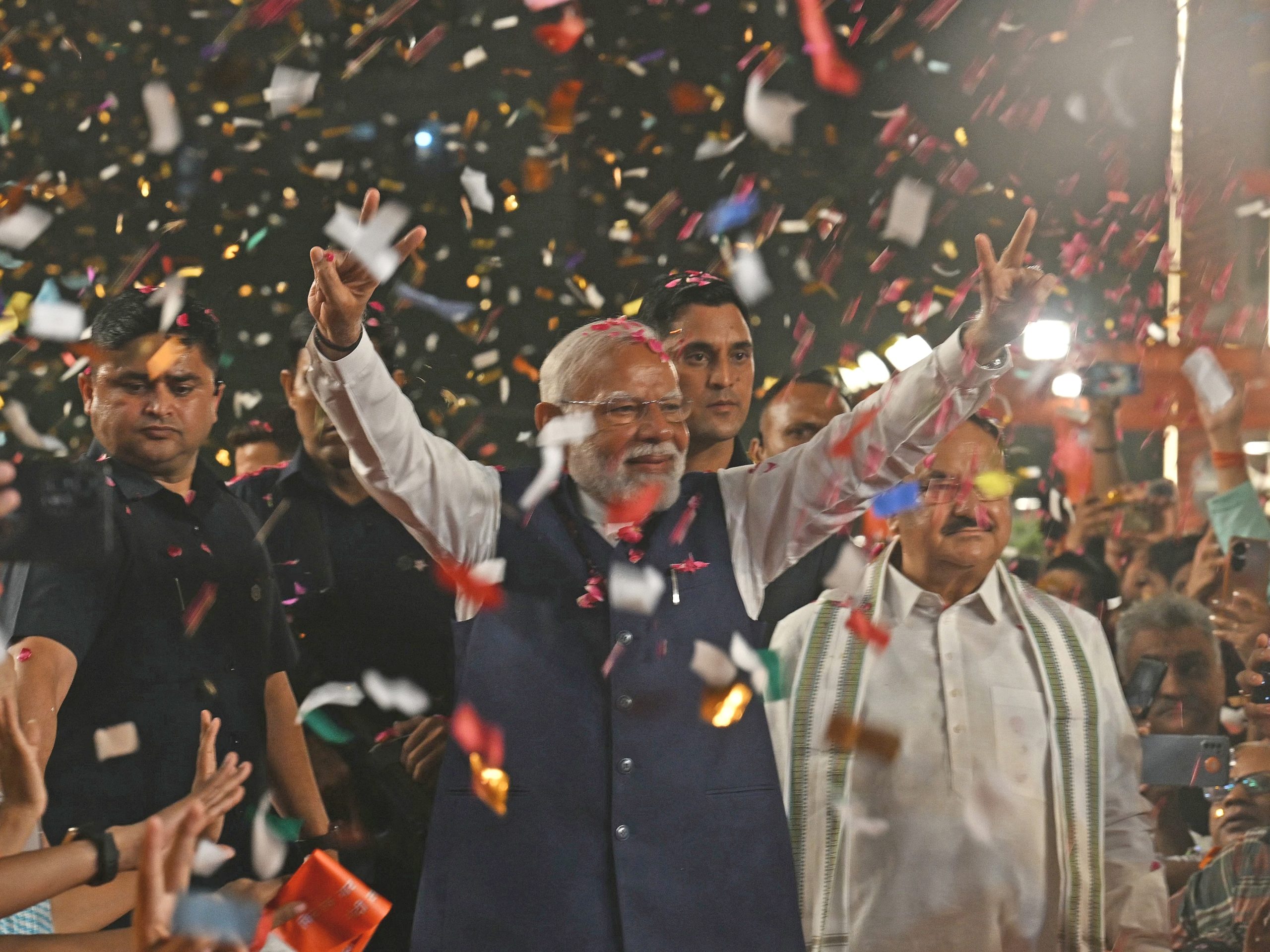
Huge win of modi in india

As a young boy, Narendra Damodardas Modi helped his dad serve tea in Gujarat’s Vadnagar railway station. At the age of 63, and as leader of India’s Hindu nationalist Bharatiya Janata Party, he has become the prime minister of the world’s largest democracy.

Born on September 17, 1950, into a low-caste family running a small business, his interest in politics was sparked at an early age: At eight, Modi associated with the Rashtriya Swayamsevak Sangh, or the RSS, a powerful Hindu nationalist group which rejected secularism and wanted Hinduism enshrined in the Indian constitution. This policy, Hindutva, remains at the core of the BJP.

It was a logical step when Modi joined the BJP in 1985, as the party licked its wounds after winning just two seats in a disastrous showing in 1984 the Lok Sabha elections.

He rose steadily through the ranks, and was inducted into the national executive in 1991 after aiding Murli Manohar Joshi, a party senior, in his ekta yatra (unity journey) to bolster support.

Four years later, and now a stalwart, Modi worked hard behind the scenes to secure the party victory in Gujarat elections.

Despite his association with Joshi, it was LK Advani, the BJP’s most revered leader, who became his chief political mentor.

“It was Advani who mentored Modi when he virtually handpicked him into his team of state apparatchiks after recommendations from a few trusted peers in the late 1980s,” writes Nilanjan Mukhopadhyay in Modi’s biography, Narendra Modi: The man, the Times.

Longest Total Solar Eclipse of 21st Century on July 22, 2009
Rare Celestial Event: Total Solar Eclipse on July 22, 2009 Draws Millions

A total solar eclipse occurred on Wednesday, July 22, 2009, at the Moon’s descending node of its orbit with a magnitude of 1.07991. A solar eclipse happens when the Moon passes between the Earth and the Sun, partially or fully obscuring the Sun’s image from viewers on Earth. When the Moon’s apparent diameter is larger than the Sun’s, it causes a total solar eclipse, turning day into darkness in a narrow path along Earth’s surface while a partial eclipse is visible over a wider surrounding area. This eclipse took place about 5.5 hours after the Moon’s perigee, meaning the Moon was closer to Earth and appeared larger in the sky, enabling the total coverage of the Sun by the Moon.

This event was the longest total solar eclipse of the 21st century, with totality lasting a maximum of 6 minutes and 38.86 seconds, witnessed off the coast of Southeast Asia. The corridor of totality spanned across northern India, eastern Nepal, Bhutan, the northern tip of Myanmar, central China, and the Pacific Ocean, including parts of Japan’s Ryukyu Islands. The eclipse attracted significant tourist and scientific interest across countries such as eastern China, Pakistan, Japan, India, Nepal, and Bhutan. Many major cities along the path experienced totality, including Surat, Vadodara, Bhopal, Varanasi, Patna, and Guwahati in India, as well as Chengdu, Shanghai, Wuhan, and Hangzhou in China. The Chinese government utilized this opportunity for scientific education and dispelling superstitions surrounding eclipses.

In Japan, this was the first eclipse in 46 years, but cloudy skies obstructed clear views for many observers. In Bangladesh, despite rain, thousands witnessed the eclipse lasting about 3 minutes and 44 seconds. The maximum phase occurred over the ocean south of the Bonin Islands, southeast of Japan. Innovative viewing experiences included a flight by China Eastern Airlines that followed the eclipse path for extended observation. The cruise ship Costa Classica also channeled along the centerline of totality to maximize viewing duration.

This eclipse was part of the Saros 136 series, which involves eclipses occurring at the Moon’s descending node. The July 22, 2009 eclipse’s long duration and wide visibility made it a major celestial event, surpassing others of the century, and it held unique significance until eclipses of comparable or longer duration occur in the future, such as one predicted in 2132.