

Chief Minister Bhajanlal Sharma inaugurated the state level exhibition
Visited the stalls of the departments in the exhibition organized at Jawahar Kala Kendra, the exhibition will be organized till December 18, general public will be able to visit from...

Jaipur, 15 December. Chief Minister Shri Bhajan Lal Sharma inaugurated the state level exhibition organized at Jawahar Kala Kendra on Monday on completion of two years of the state government. He observed public welfare schemes, development projects, various public utility equipment and products, innovations and achievements at the stalls of various departments in the exhibition.

Shri Sharma also got a selfie clicked at the digital selfie point installed at the stall of the Information and Public Relations Department. Additionally, they also participated in the quiz conducted through AI interactive panel at the stall. At the same time, at the stall of the Home Department, Director General of Police Shri Rajeev Kumar Sharma gave information to the Chief Minister regarding the innovations of the department. Shri Sharma expressed satisfaction over the effective disposal of complaints through Rajcop App.

The Chief Minister took information about grid digitalization through the presentation of Jaipur Discom at the stall of the Energy Department. During this, he said that PM Kusum Yojana and PM Surya Ghar Yojana are ambitious schemes of the double engine government. More and more people should be benefited through these. He took information about the working of the robotic machine for cleaning the sewerage manholes of the city at the stall of the Autonomous Government Department.

Shri Sharma launched new housing schemes for different income groups in Hanumangarh and Bhiwadi on behalf of Rajasthan Housing Board at the stalls of Urban Development and Housing Board. During this, the Chief Minister, on behalf of Jaipur Development Authority, symbolically distributed pattas on the spot to 3 farmers (total 20 beneficiary account holders) of Jagatpura Central Spine Scheme Block-G. Additionally, he also released the digital guide of JDA.

The Chief Minister reviewed important materials including achievements of the state government in two years, publications related to schemes, models of development works, photo-video panels in the development exhibition giving the message of “New upliftment – ​​New identity, Growing Rajasthan – Our Rajasthan”. He appreciated the state level exhibition equipped with useful information and instructed the officials to make the general public aware of the schemes, so that we can move forward rapidly towards achieving the goal of Developed Rajasthan-2047.

During this, Deputy Chief Minister Diya Kumari, Dr. Premchand Bairwa, Parliamentary Affairs Minister Shri Jogaram Patel, Social Justice and Empowerment Minister Shri Avinash Gehlot, Minister of State for Urban Development (Independent Charge) Shri Jhabar Singh Kharra, Minister of State for Panchayati Raj Shri Otram Devasi, Chief Secretary Shri V. Srinivas, Director General of Police Shri Rajeev Kumar Sharma, Government Secretary and Commissioner of Information and Public Relations Department Shri Sandesh Nayak were present. At the same time, senior officials of the department and the general public were also present at the departmental stalls.

It is noteworthy that in this exhibition organized by the Information and Public Relations Department, the exhibitions are being organized by Agriculture, Animal Husbandry and Fisheries Department, Cooperation, Water Resources and PHED, Rural Development and Panchayati Raj, Disaster Management, Labour, Energy, Mines and Geology, Public Works, Autonomous Governance, Urban Development, Transport and Road Safety, Information and Technology, Education, Industry and Commerce, Medical and Health, Home, Food and Civil Supplies, Planning, Social Justice and Empowerment, Women and Child Development, Forest, Tourism and other departments. Development works, schemes and achievements have been shown through photo and video panels. Through this exhibition, the general public will be able to get information about the welfare decisions, programmes, policies and schemes of the government. This state level exhibition will be held till December 18, which the general public will be able to visit from 11 am to 8 pm.
Ramchandra Das Ji Maharaj, Meruth Lok Sabha MP Arun Govil met Dr. Abhishek Verma
Sunday was a day full of spiritual energy and cultural emotions in New Delhi, when Padmavibhushan Tulsi Peethadhishwar Jagadguru Ramanandacharya Swami Shri Rambhadracharya Ji Maharaj and His Holiness Acharya Ramchandra...

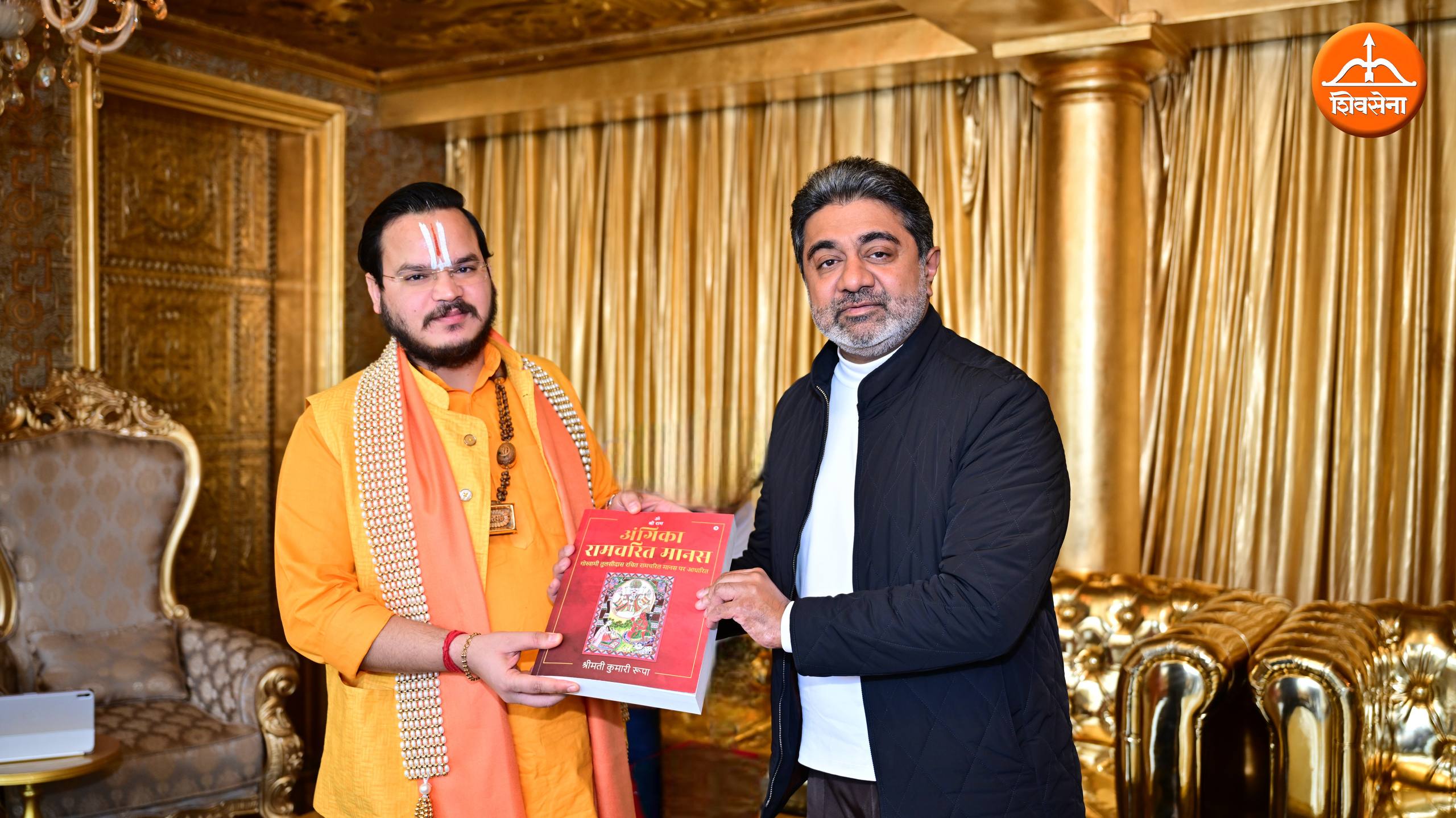
Sunday was a day full of spiritual energy and cultural emotions in New Delhi, when Padmavibhushan Tulsi Peethadhishwar Jagadguru Ramanandacharya Swami Shri Rambhadracharya Ji Maharaj and His Holiness Acharya Ramchandra Das Ji Maharaj, successor of Shri Tulsipeeth Trust, Chitrakoot, reached the residence of His Holiness Acharya Ramchandra Das Ji Maharaj Dr. Abhishek Verma in New Delhi.

With his arrival, an atmosphere of divine experience of Sanatan culture, spirituality and Hindutva was created in the campus. This moment was extremely proud and unforgettable for the Verma family.

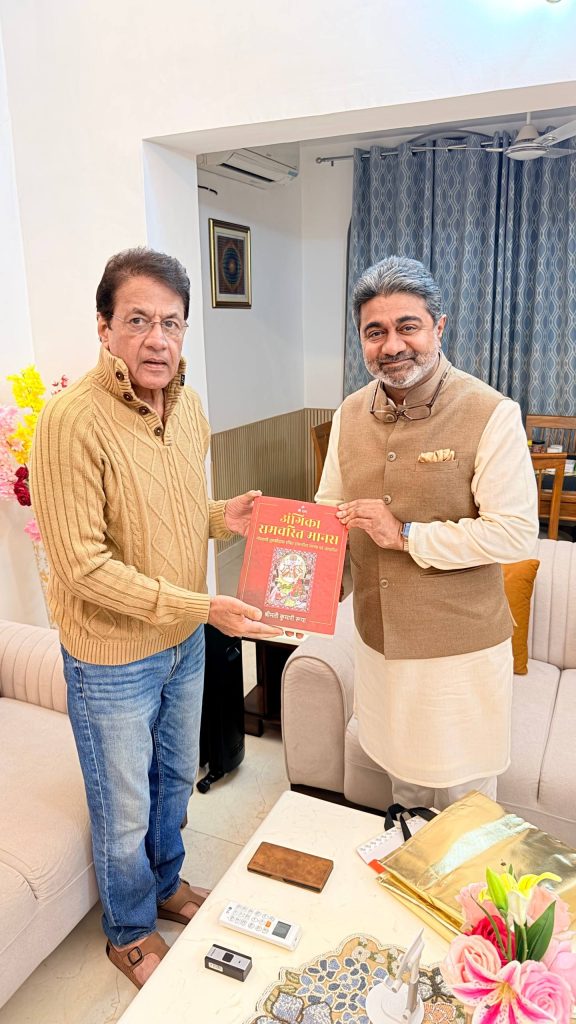
After Swami ji’s, Dr. Abhishek Verma had a cordial and cordial meeting with Lok Sabha MP from Meerut and Shri Arun Govil, who gained respect across the country by playing the role of Lord Shri Ram in the famous 1990 serial ‘Ramayana’.

On this occasion, Dr. Verma presented a copy of Ramcharitmanas to Arun Govil as a mark of respect and respect. There was a meaningful discussion between the two on issues related to social welfare, public welfare, cultural values ​​and public life.

Dr. Verma became emotional during the conversation and mentioned that his maternal grandmother, the late Kamala Choudhary, who was an MP from Meerut in the 1950s and 60s—has been an inspiration in his life.

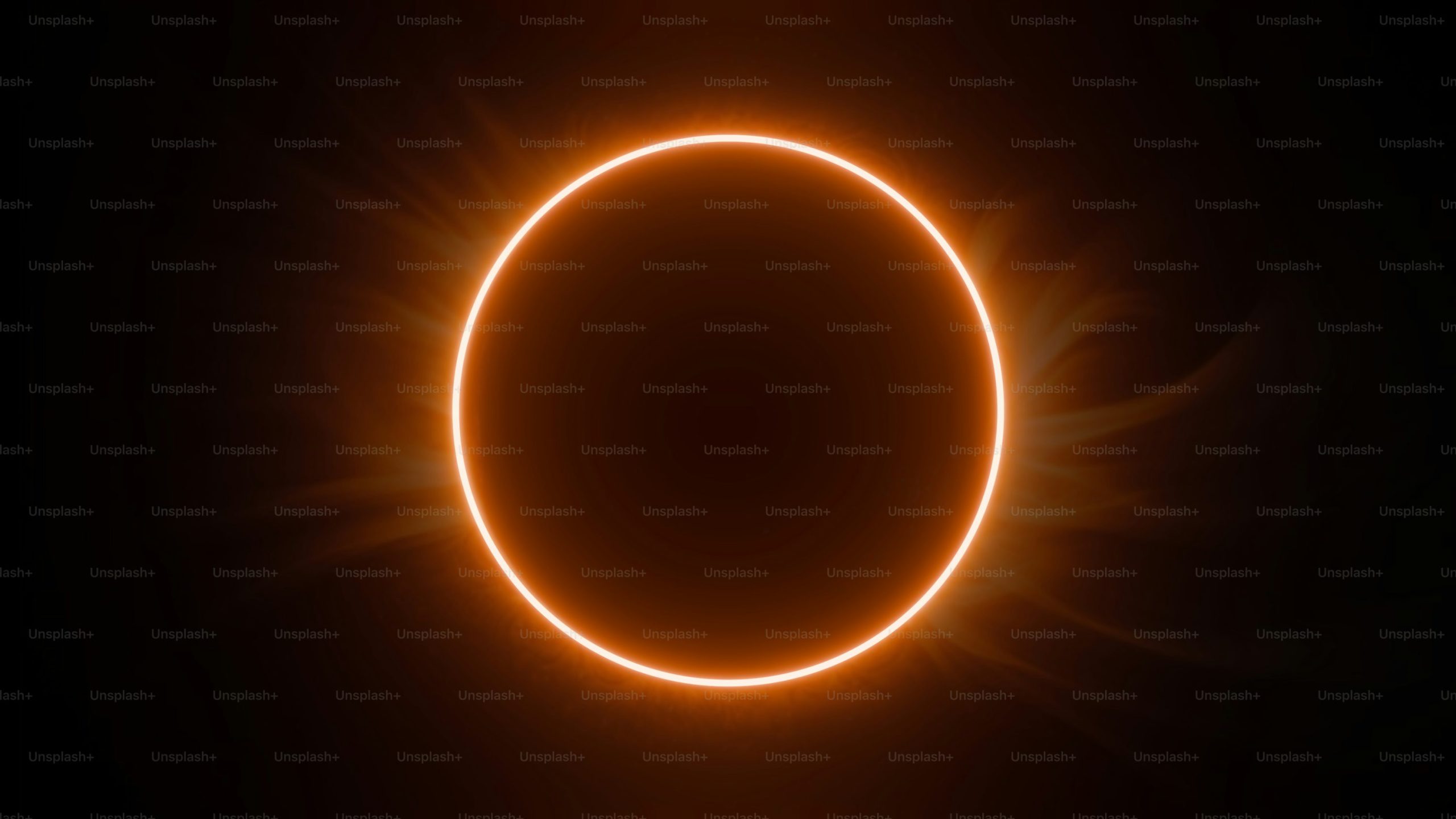
Longest Total Solar Eclipse of 21st Century on July 22, 2009
Rare Celestial Event: Total Solar Eclipse on July 22, 2009 Draws Millions

A total solar eclipse occurred on Wednesday, July 22, 2009, at the Moon’s descending node of its orbit with a magnitude of 1.07991. A solar eclipse happens when the Moon passes between the Earth and the Sun, partially or fully obscuring the Sun’s image from viewers on Earth. When the Moon’s apparent diameter is larger than the Sun’s, it causes a total solar eclipse, turning day into darkness in a narrow path along Earth’s surface while a partial eclipse is visible over a wider surrounding area. This eclipse took place about 5.5 hours after the Moon’s perigee, meaning the Moon was closer to Earth and appeared larger in the sky, enabling the total coverage of the Sun by the Moon.

This event was the longest total solar eclipse of the 21st century, with totality lasting a maximum of 6 minutes and 38.86 seconds, witnessed off the coast of Southeast Asia. The corridor of totality spanned across northern India, eastern Nepal, Bhutan, the northern tip of Myanmar, central China, and the Pacific Ocean, including parts of Japan’s Ryukyu Islands. The eclipse attracted significant tourist and scientific interest across countries such as eastern China, Pakistan, Japan, India, Nepal, and Bhutan. Many major cities along the path experienced totality, including Surat, Vadodara, Bhopal, Varanasi, Patna, and Guwahati in India, as well as Chengdu, Shanghai, Wuhan, and Hangzhou in China. The Chinese government utilized this opportunity for scientific education and dispelling superstitions surrounding eclipses.

In Japan, this was the first eclipse in 46 years, but cloudy skies obstructed clear views for many observers. In Bangladesh, despite rain, thousands witnessed the eclipse lasting about 3 minutes and 44 seconds. The maximum phase occurred over the ocean south of the Bonin Islands, southeast of Japan. Innovative viewing experiences included a flight by China Eastern Airlines that followed the eclipse path for extended observation. The cruise ship Costa Classica also channeled along the centerline of totality to maximize viewing duration.

This eclipse was part of the Saros 136 series, which involves eclipses occurring at the Moon’s descending node. The July 22, 2009 eclipse’s long duration and wide visibility made it a major celestial event, surpassing others of the century, and it held unique significance until eclipses of comparable or longer duration occur in the future, such as one predicted in 2132.